Our Products
An exclusive combination of equipment that combines high performance and competitiveness to overcome the challenges of Industry 4.0


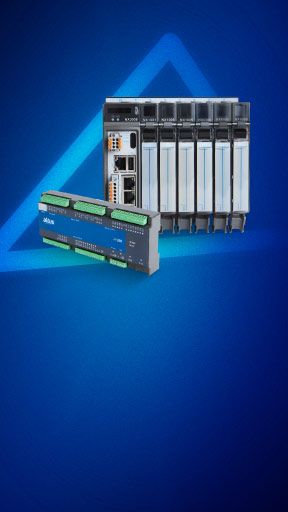
An exclusive combination of equipment that combines high performance and competitiveness to overcome the challenges of Industry 4.0


At Altus, we have the necessary know-how to provide integrated systems for the most varied demands of the industrial market

Discover our solutions and discover how our expertise can help boost your business performance

See how we have become a reference in the automation market over the course of our more than 40 years

We are 100% available to solve problems, answer questions and help you optimize the performance of your application.

Get to know our units and find out where to find our sales representatives throughout Brazil


Reduction in space and wiring, resulting in increased reliability, cost savings, and enhanced supervision and control capabilities

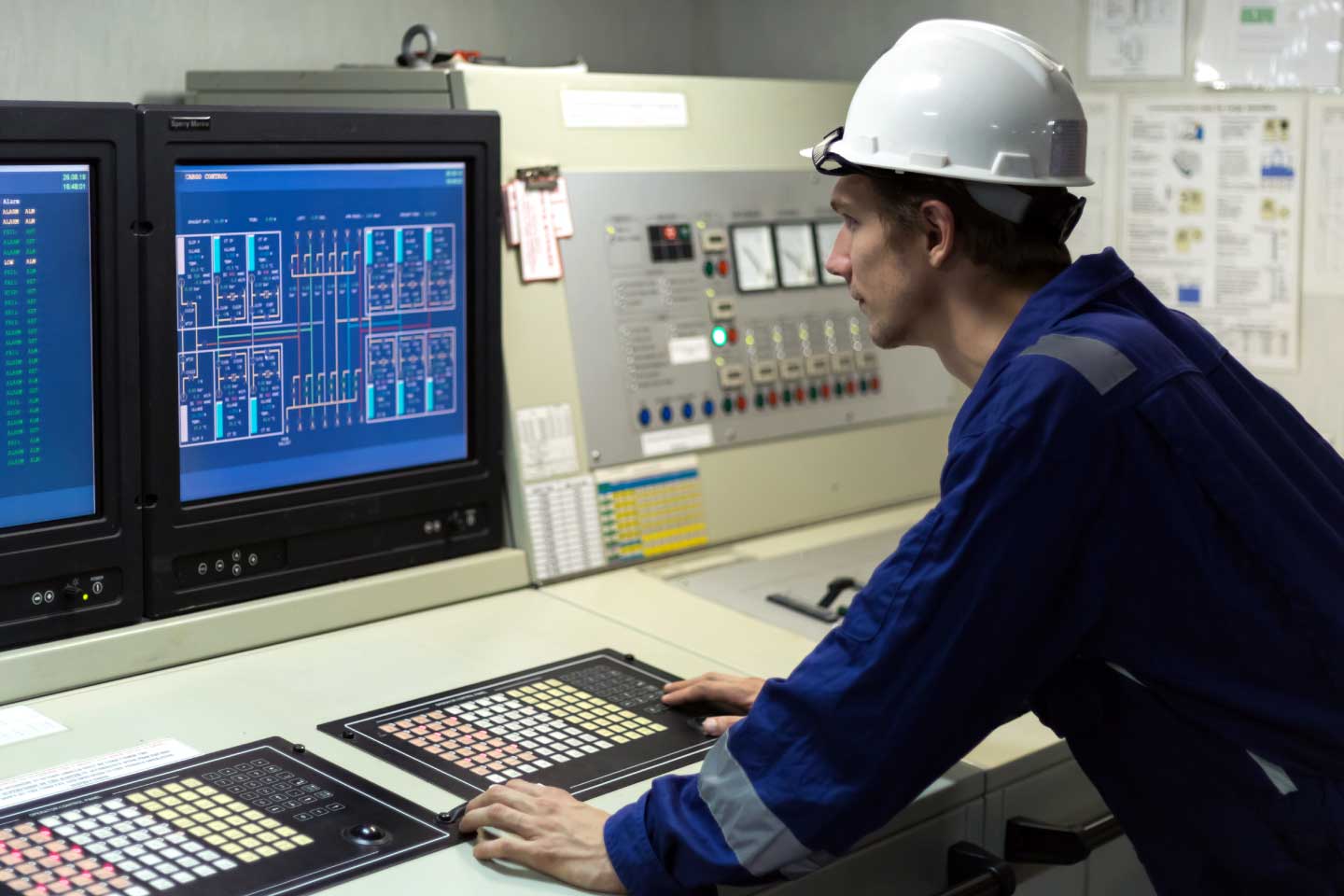
Boosted operational efficiency across the entire system, lowering costs and improving response times

A robust communication system with enhanced diagnostics. An open, easy-to-maintain supervisory system

Minimized downtime through fast fault detection and identification
The typical architecture of a UAC consists of an 18-position main rack, the HX9003, which can contain up to two redundant HX8320 125Vdc power supplies, two redundant HX3040 processing units that communicate via DNP3 Ethernet protocol, and twelve HX1120 digital input cards with 32 digital inputs. Each CPU connects to an Ethernet port on its respective RS900 switch, arranged in a redundant ring in the automation network. These CPUs receive IRIG-B synchronization through the Reason RT-412 optical to electrical IRIG-B signal converter. The CPUs also receive MODBUS-RTU signals from the electrical quantity multimeter. The speed regulator and voltage regulator are each connected to a switch on the panel.
The second rack, also an HX9003 model, has two HX8320 power supplies that connect the expansion to the other racks via two standard Ethernet cables, three HX1120 cards, four HX2320 digital output cards with 16 outputs each, and seven HX6000 analog cards, configurable with current or voltage input and 16 inputs.
The third 9-position HX9001 rack has two HX8320 power supplies connected via two Ethernet cables, and six HX6020 RTD input modules with 8 inputs each.

The topology incorporates a dual redundant ring network to maximize availability. Special switches with dual optical ports interconnect the rings, ensuring that the plant continues operating through the redundant ring in the event of a failure on one side
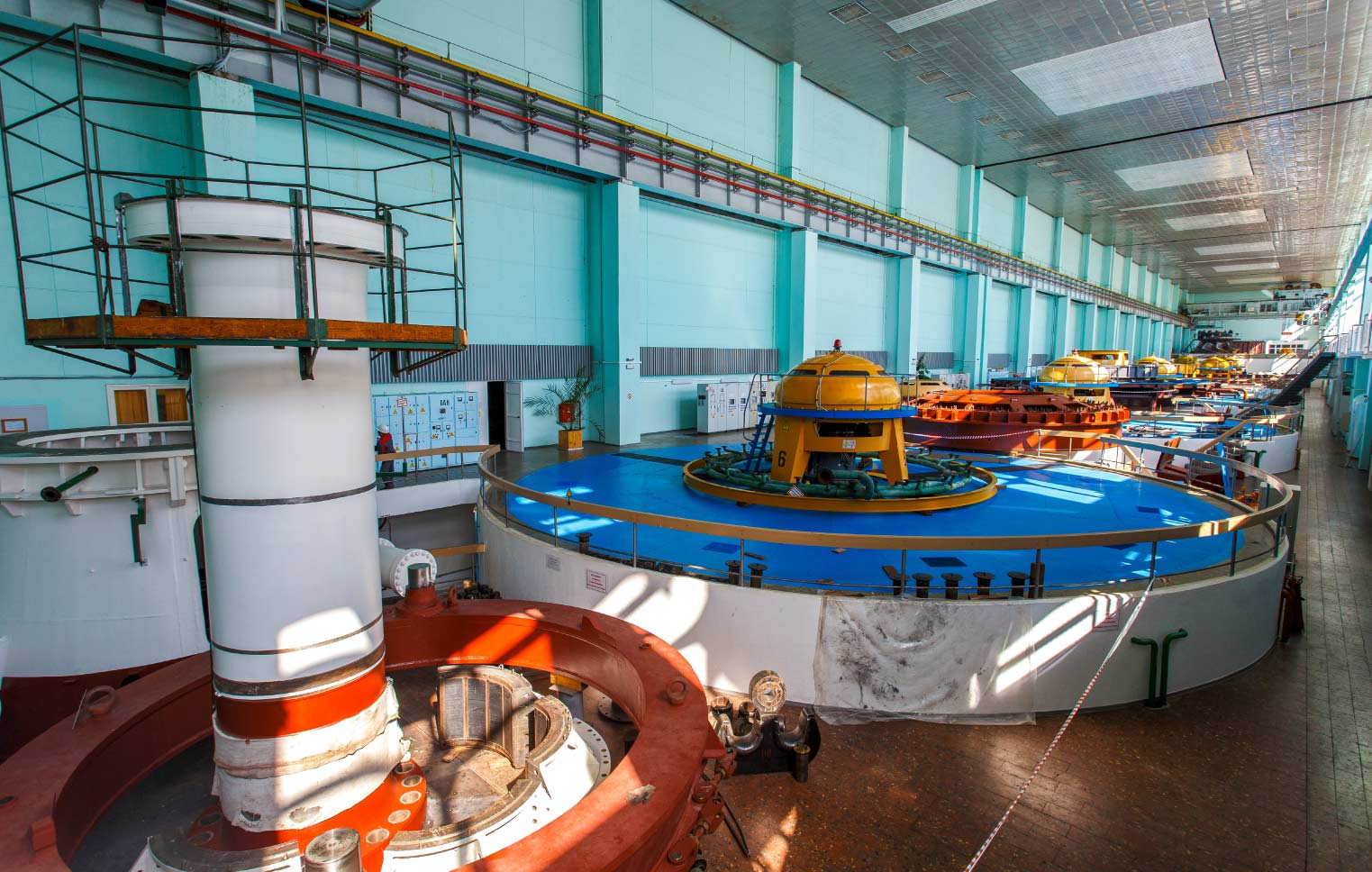
The system includes event logging with 1 ms precision for all digital input points and 100 ms precision for all analog inputs, along with a dual redundant optical ring network to enhance security and improve communication between the Autonomous Units (UAs) and the supervisory system.
It also features redundant servers for supervision, a redundant database system, satellite (GPS) synchronization of the UAs, and the provision of data and event information to the ONS.
Additionally, the solution incorporates an oscillography and monitoring system as well as a redundant protection relay.

The scope includes the replacement of the existing SAITEL 2000 PLCs of UACs UG11, UG12, UG13, UG14, UG15, UG16, SE, and SA with HX Series UTRs installed on a mounting plate, with all existing logic fully transferred to the new controllers.
It also includes the supply of a complete SCADA supervisory system, comprising screens, commands, reports, and an alarms and events center; the supply of switches for implementing a dual optical ring network; the provision of a synchronization relay for the two existing lines in the substation, which operates with a single busbar; and the supply of two standard 19” rack servers.

The scope includes the delivery of the Executive and Software engineering projects, integration with the existing water intake UAC through a single-mode fiber-optic connection with at least one spare pair, using the IEC 104 protocol, execution of Factory Acceptance Tests (FAT) and field commissioning of the supplied system, training for system maintenance and operation, and the preparation of all required documentation, including updates to the plant’s records reflecting the changes introduced by the new system.
