Our Products
An exclusive combination of equipment that combines high performance and competitiveness to overcome the challenges of Industry 4.0


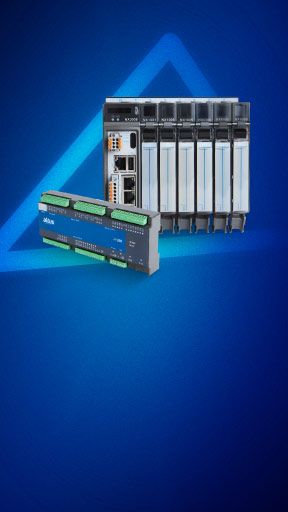
An exclusive combination of equipment that combines high performance and competitiveness to overcome the challenges of Industry 4.0


At Altus, we have the necessary know-how to provide integrated systems for the most varied demands of the industrial market
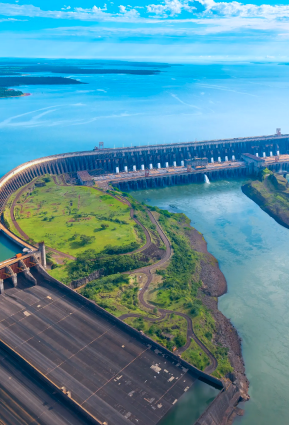
Discover our solutions and discover how our expertise can help boost your business performance
See how we have become a reference in the automation market over the course of our more than 40 years

We are 100% available to solve problems, answer questions and help you optimize the performance of your application.

Get to know our units and find out where to find our sales representatives throughout Brazil


Increased process performance thanks to the high level of control and supervision provided by Altus solutions. With advanced technology and efficient system integration, it was possible to achieve greater operational precision, fewer failures, and significant gains in productivity and efficiency.

Intelligent convergence of control systems, with full integration into corporate systems, enabling real-time information exchange, more strategic decision-making, and unified operations management.

Intuitive visual interface designed to streamline system navigation and operation. With real-time graphical reports, process monitoring becomes more dynamic and efficient, enabling rapid and accurate decision-making.

Solutions engineered for mission-critical applications that cannot afford downtime. With hot-swappable redundancy support, the systems guarantee operational continuity even in failure scenarios, allowing maintenance and component replacement without interrupting the process.
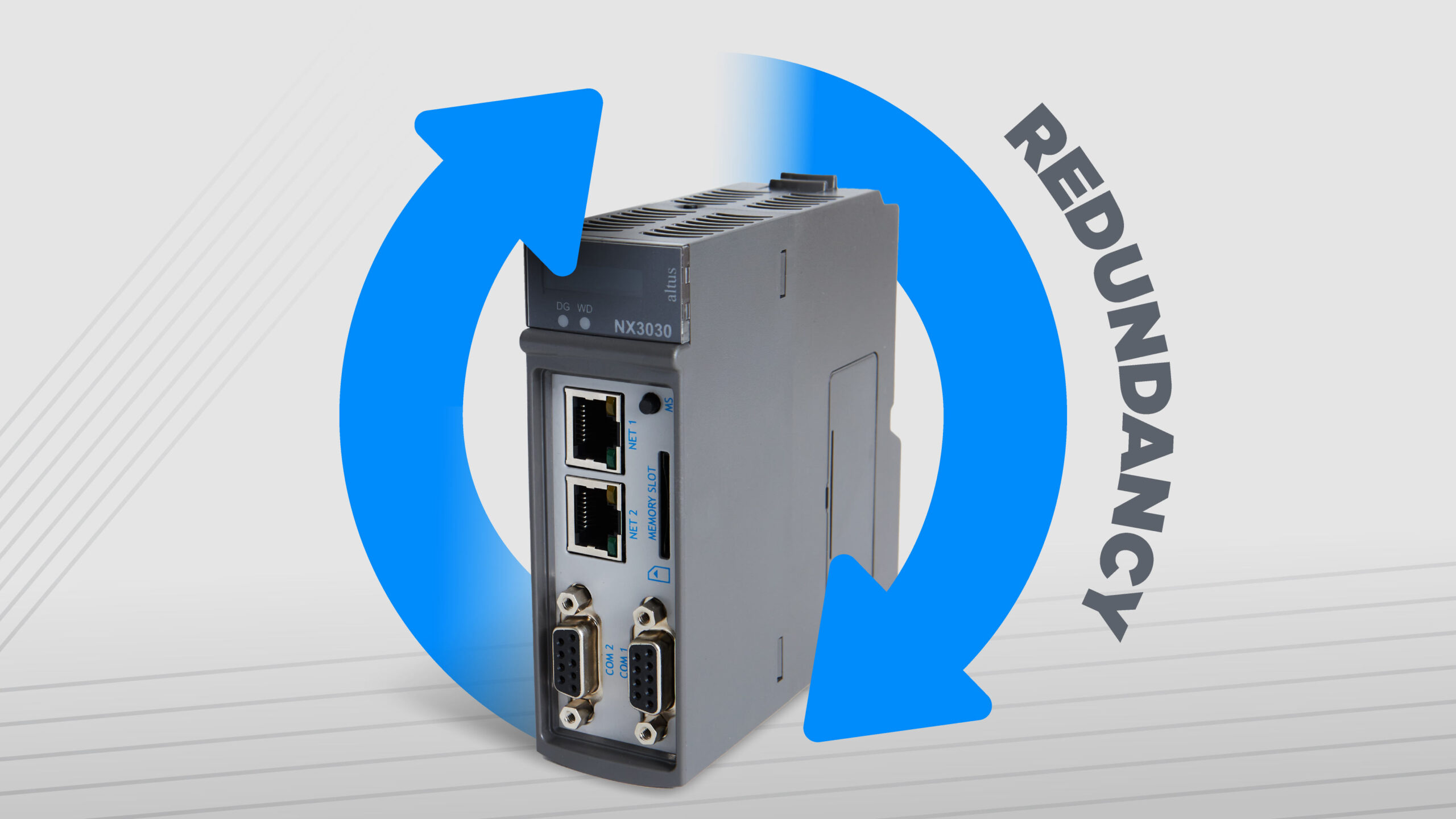
To ensure uninterrupted plant operation, the unit is designed with a high degree of redundancy, where every critical component has a backup that can take over in case of failure.
This level of redundancy is also required in the automation system, which provides high availability through redundant Nexto programmable controllers, field networks, power supplies, control networks, servers, and operation stations.

The scope includes executive engineering design, development of controller logic, and definition of supervisory screen layouts, along with the preparation of all required engineering documents.
It covers the design of controller panels, remote panels, and server panels, as well as the development of controller applications using MasterTool IEC XE programming software and the creation of SCADA application screens with Wonderware InTouch software.
The project also involves integration with packaged systems, field instruments and equipment, and optical fiber splicing. Additionally, it includes training on CSS products, maintenance, engineering, and operation, followed by onshore commissioning at the shipyard and offshore commissioning with assisted operation.
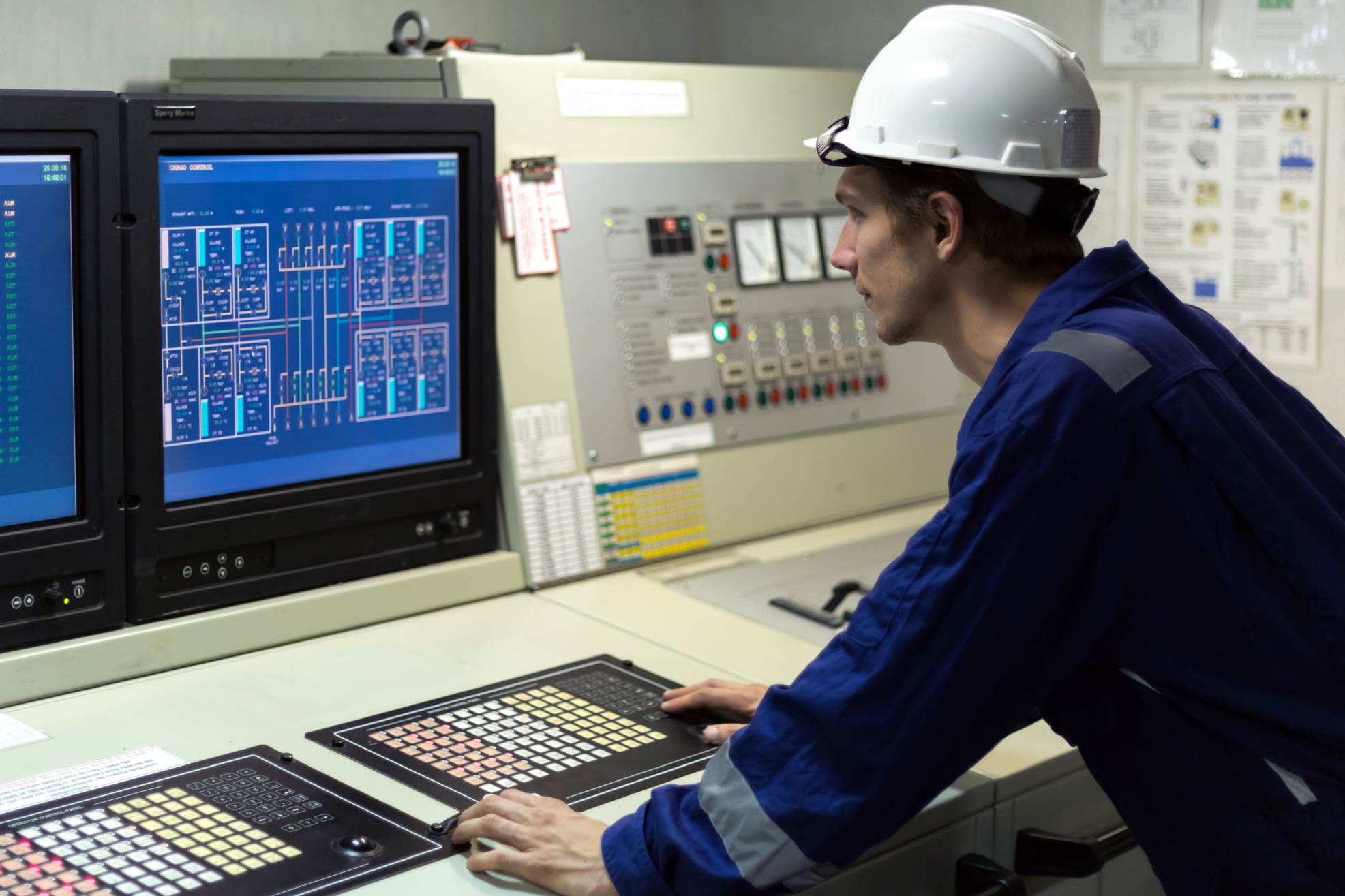
The solution includes a comprehensive set of automation and safety panels, consisting of the Security and Control Automation Panel (CSS), Pressurized Field Remote Panels (CSS), Emergency Panels and MOS/OOS Bypass units (CSS), SCADA Supervisory and Control System Panels (SOS), a Flow Measurement System Panel (FMS), a Corrosion Monitoring System Panel, a Closed-Circuit Television System Panel (CCTV), a Riser Monitoring System Panel (VMS), and a Fire Detection System Panel (AFDS).
The scope also includes Engineering and Operations Stations, completing the integrated control and monitoring infrastructure.
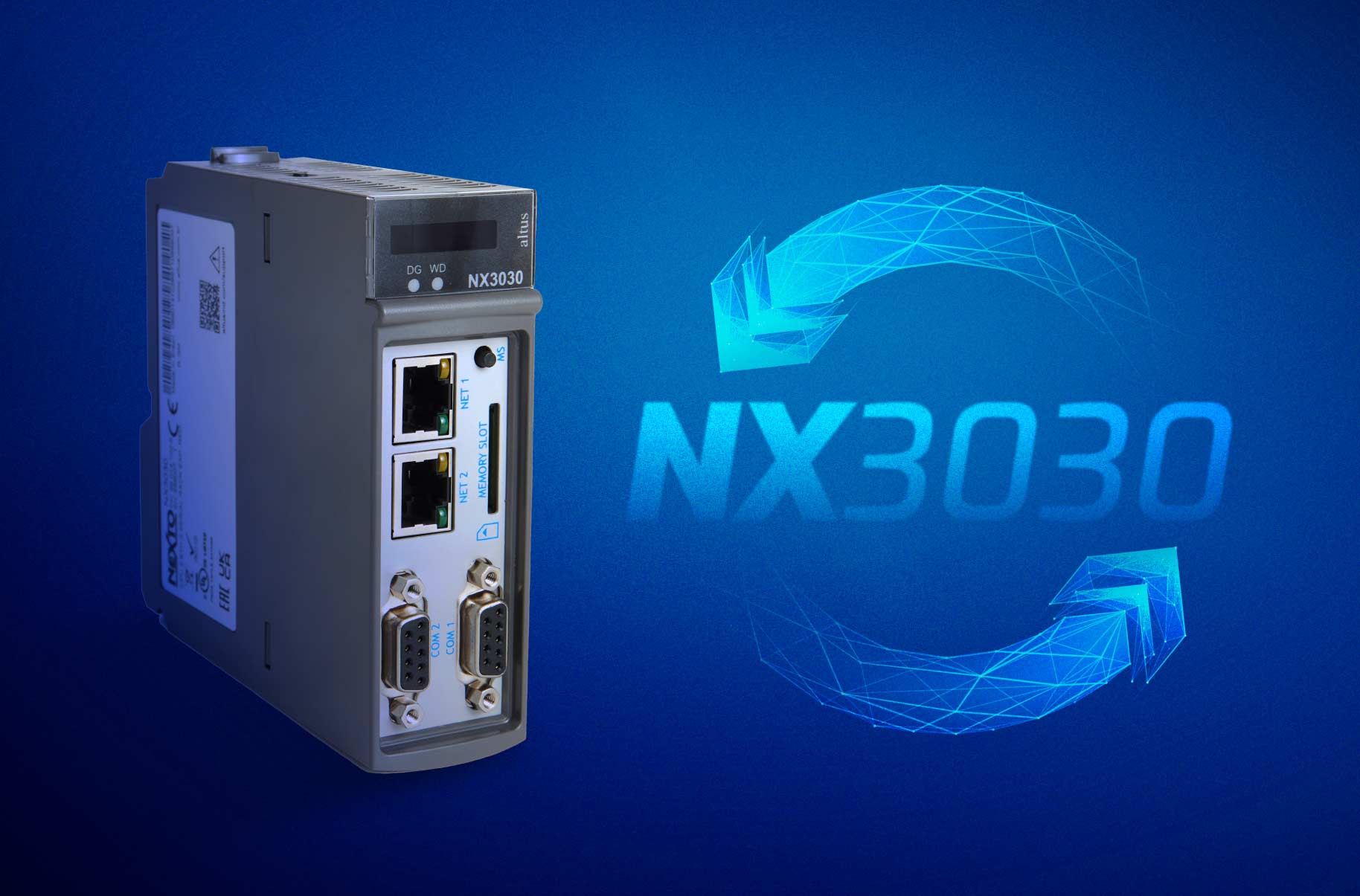
The Nexto family of programmable controllers includes a high-performance model that supports hot standby redundancy, ensuring the highest levels of system availability. You can configure a redundant setup with 2 NX3030 CPUs, one primary (active) CPU running the system, and a standby CPU constantly monitoring its performance.
The standby CPU continuously monitors the primary unit’s performance to ensure smooth operation. In case of a failure where the primary CPU becomes unavailable, the standby CPU automatically takes over, ensuring uninterrupted operation without the need for manual intervention or risking any system downtime. This seamless transition, known as “switch-over,” keeps the process running smoothly.
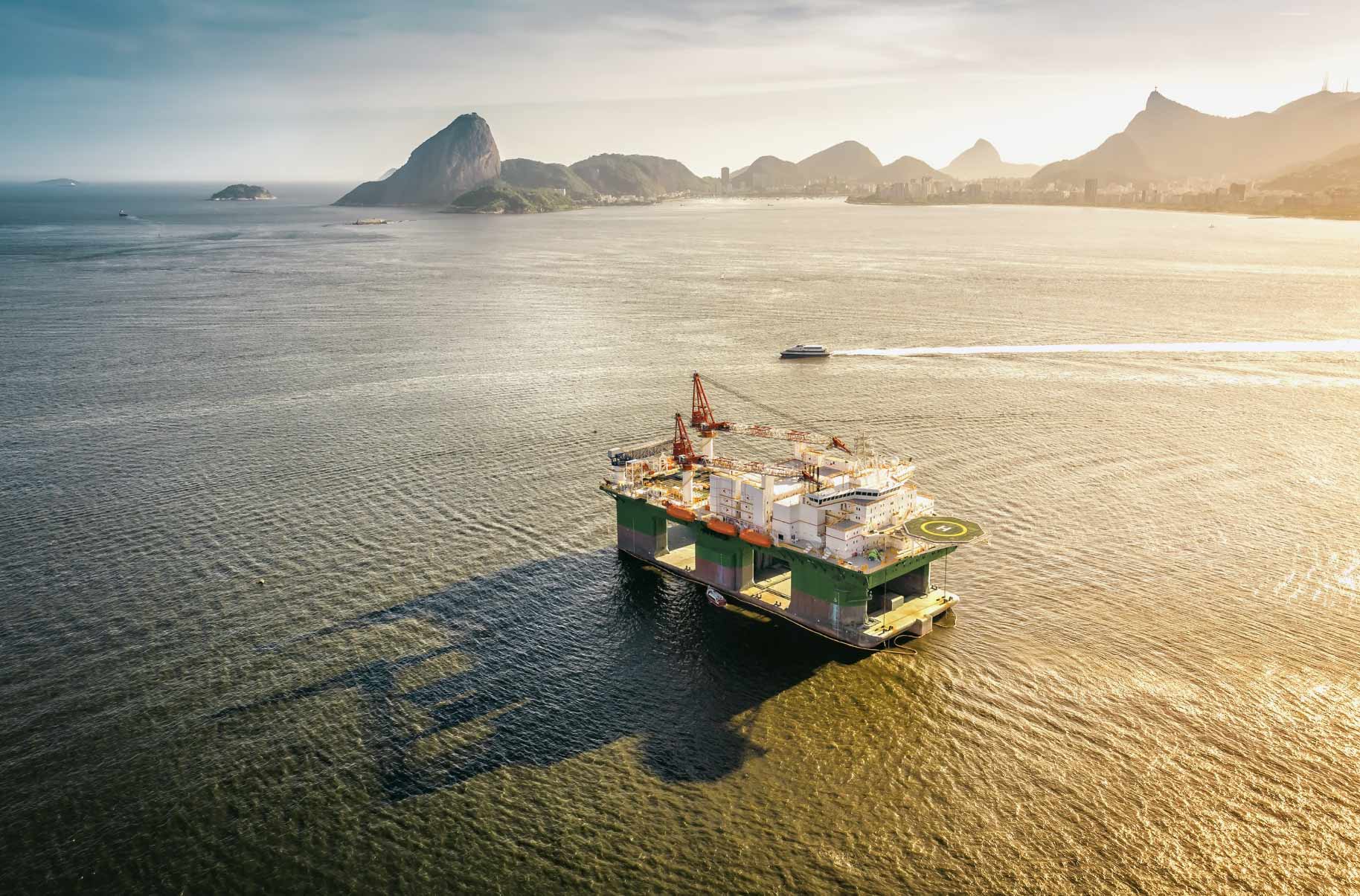
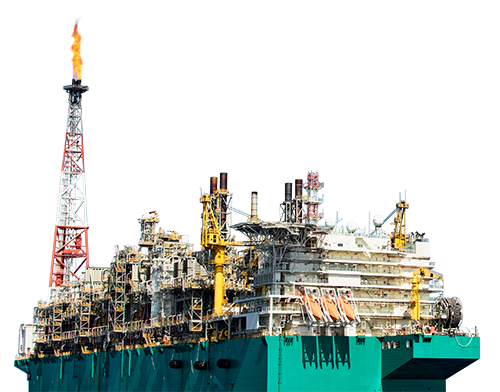
The vessels measure 332 meters in length, with a 58-meter beam, a power generation capacity of 100 MW, and storage capacity for 1,400 barrels of oil, periodically offloaded to shore using shuttle tankers. They are also equipped with a gas pipeline for exporting gas produced in the area.
Each FPSO is connected to a specific number of wells for oil and gas production. Their daily production capacity is 150 thousand barrels of oil and 7 million cubic meters of natural gas. Alongside oil and gas production, these units are also capable of treating and injecting 200 thousand barrels of water per day.
