Our Products
An exclusive combination of equipment that combines high performance and competitiveness to overcome the challenges of Industry 4.0


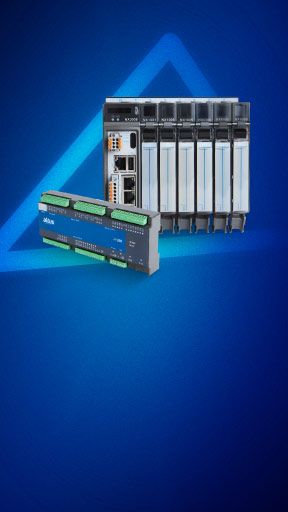
An exclusive combination of equipment that combines high performance and competitiveness to overcome the challenges of Industry 4.0


At Altus, we have the necessary know-how to provide integrated systems for the most varied demands of the industrial market

Discover our solutions and discover how our expertise can help boost your business performance
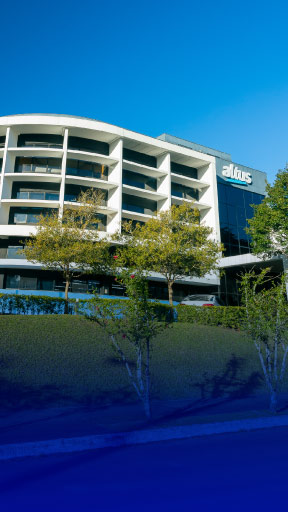
See how we have become a reference in the automation market over the course of our more than 40 years

We are 100% available to solve problems, answer questions and help you optimize the performance of your application.

Get to know our units and find out where to find our sales representatives throughout Brazil

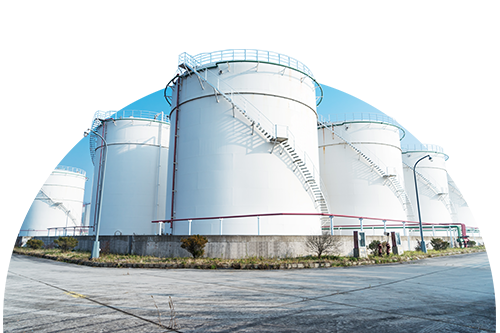

Reduction in space and wiring, resulting in increased reliability, cost savings, and enhanced supervision and control capabilities
Created a centralized database to replace physical, manually filled documents

Seamless integration between systems provides higher accuracy and reliability in the data collected throughout processes

An open architecture design ensures easy integration with third-party equipment and protocols
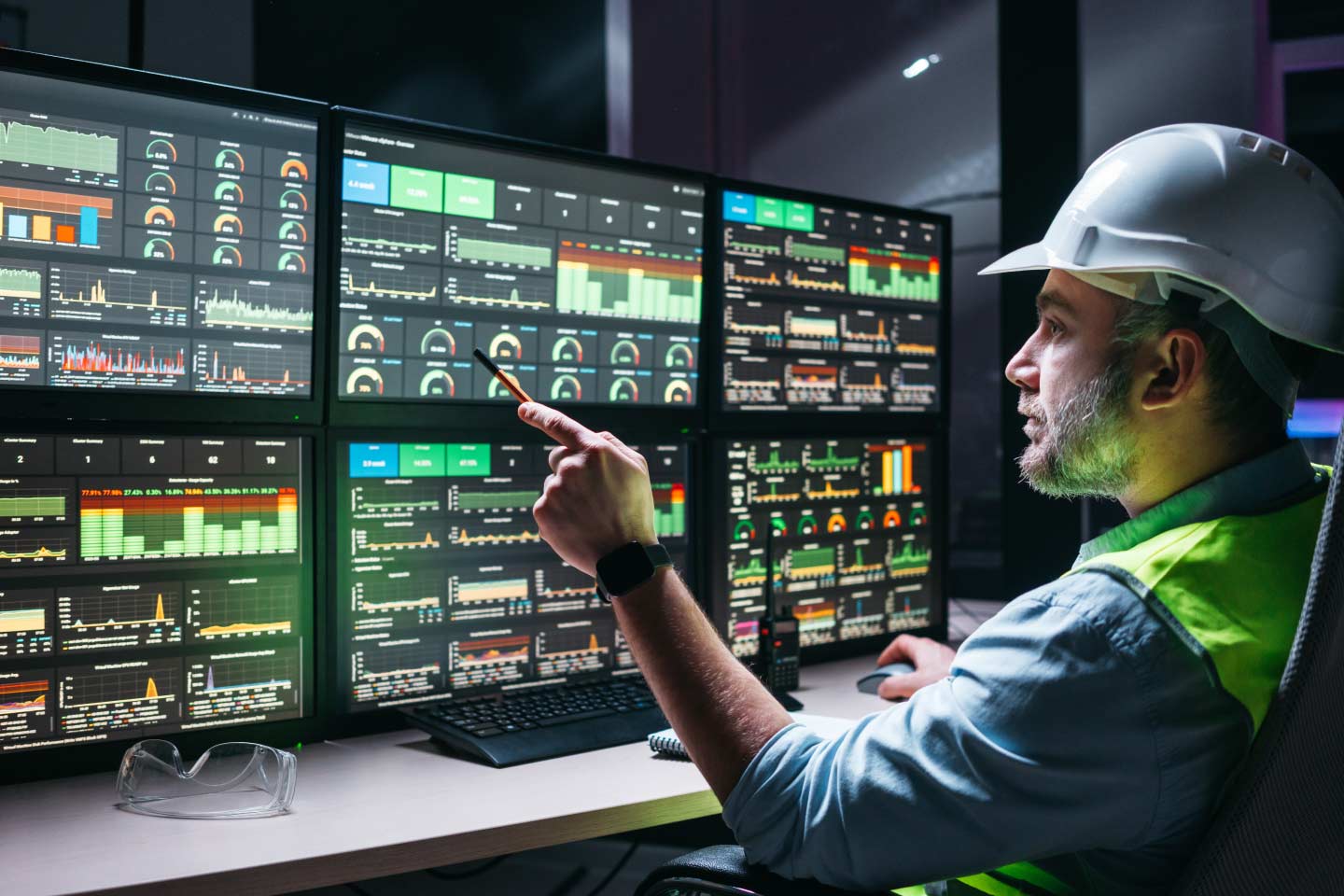
The application operates in the electrical area, remotely supervising and controlling equipment such as motorized valves on product lines from various companies. It also monitors in-line instruments, including densitometers and differential pressure sensors, through the Altus AL-2002 PLC, housed in an electrical panel designed and manufactured by Altus.
The system interfaces with the Flow Computers at the EMEDs (Company Measurement Stations), overseeing and controlling equipment like motorized valves and emergency shut-off sirens.
It also monitors in-line instruments such as turbines, differential pressure sensors, temperature, and pressure transducers. The solution also manages product cut-off control and movement tracking.

The application is used for telemetry in the storage process, interfacing with the Telemetry System (ENRAF/SAAB) of the receiving company for the pumped product. The communicated data includes water level measurement, displacement meter testing, and the density and temperature of the stored product.
In the TESIAP process, the solution manages pumping operations at the supply hub through effective remote supervision and control of equipment.
At the Supply Coordination Department, the system is responsible for managing pumping schedules, generating billing reports, and producing management charts (daily, monthly, and annual) for product transfers from the refinery or DTCS.

The system configuration included one AL-2002/MSP programmable controller, Windows NT Server and WorkStation operating systems, and a RAID 5 relational database server using SQL Server as the DBMS. It also comprised six SCADA FIXDMACS HMI supervision stations, one coordination station, four hubs with optical transceivers (ST), and one hub with electrical transceivers (TP).
The installation supported approximately 1,500 I/O pointsconfigured for four terminals in Duque de Caxias of which about 500 were analog.
Communication capabilities were provided through drivers for Altus AL-2781 Ethernet PLC, Daniel CV2500-D25 Flow Computer, ENRAF ATG-854 telemetry, and SyberTrol-Smith Flow Computer.

The system architecture includes an ALNET II process network using Ethernet TCP/IP over fiber-optic cabling, which interconnects the Altus' controller with the SCADA FIX DMACS supervision stations.
A MODBUS network, implemented via RS-485 with repeaters, links the supervision stations to the companies’ flow computers. Additionally, an MS Windows NT network using Ethernet TCP/IP connects the SCADA FIX DMACS stations to the relational database server through a combination of fiber-optic and twisted-pair cabling.
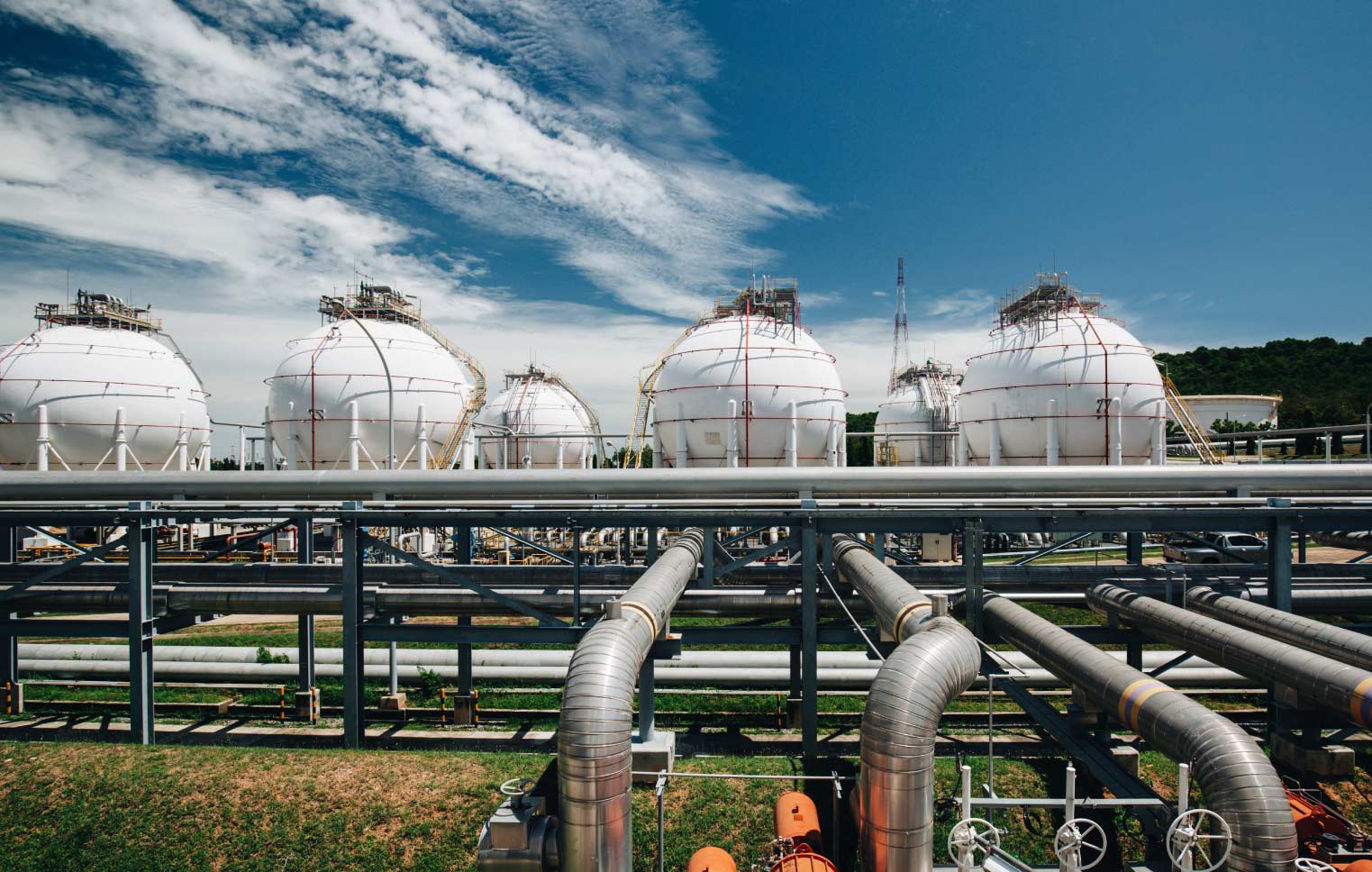
The system handles 10,000 digital I/O points and 500 analog inputs and operates using the Fix Dmacs for Windows supervision software. It supports Ethernet/TCP-IP communication, load rejection, priority messaging and integration across multiple communication networks, totaling seven different types.
The architecture includes more than 30 sub-networks with fiber-optic communication through the FOCOS system, as well as an interface with the refining SDCD system using the MODBUS protocol.