Our Products
An exclusive combination of equipment that combines high performance and competitiveness to overcome the challenges of Industry 4.0



An exclusive combination of equipment that combines high performance and competitiveness to overcome the challenges of Industry 4.0


At Altus, we have the necessary know-how to provide integrated systems for the most varied demands of the industrial market

Discover our solutions and discover how our expertise can help boost your business performance

See how we have become a reference in the automation market over the course of our more than 40 years

We are 100% available to solve problems, answer questions and help you optimize the performance of your application.

Get to know our units and find out where to find our sales representatives throughout Brazil

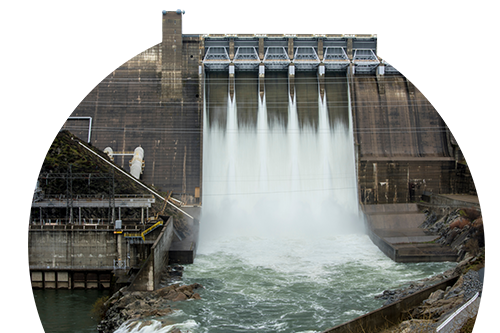

Reduction in space and wiring, resulting in increased reliability, cost savings, and enhanced supervision and control capabilities

GPS synchronization between the UACs and the supervisory system, allowing for accurate tracking of events across the system

A robust communication system with enhanced diagnostics. An open, easy-to-maintain supervisory system

A station located near the generators to speed up start-up and shutdown procedures and assist with maintenance tasks
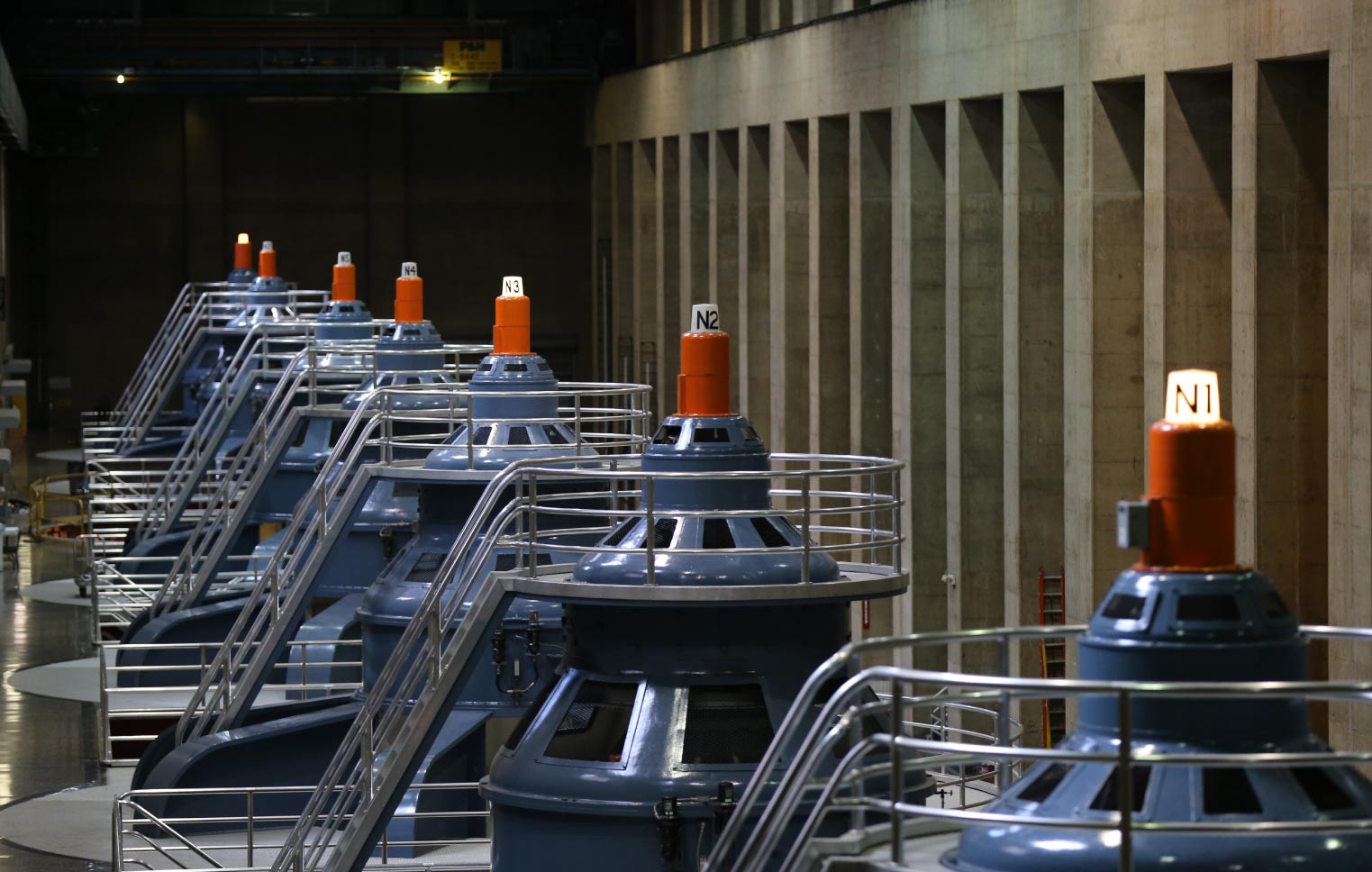
The developed system includes event logging with 1 ms precision for all digital input points and 100 ms precision for all analog inputs, a dual redundant optical ring network that enhances security and improves communication between the Autonomous Units (UAs) and the supervisory system, redundant servers and a redundant database to ensure high availability, and satellite (GPS) synchronization.
It also provides data and event information to the ONS, incorporates an oscillography and monitoring system, and includes redundant protection relays to further increase system reliability.

For the supervision and control system, two “Hot Stand-By” supervisory servers were provided, communicating with all UAs through an optical communication ring (Ethernet). The displays provide real-time data.
For the communication and control networks, each UA and the communication hub panel were equipped with "RuggedCom" industrial switches to create the dual optical communication ring. This network supports the Alnet II TCP, Modbus TCP, DNP3, or IEC 60870-5-103 protocols.
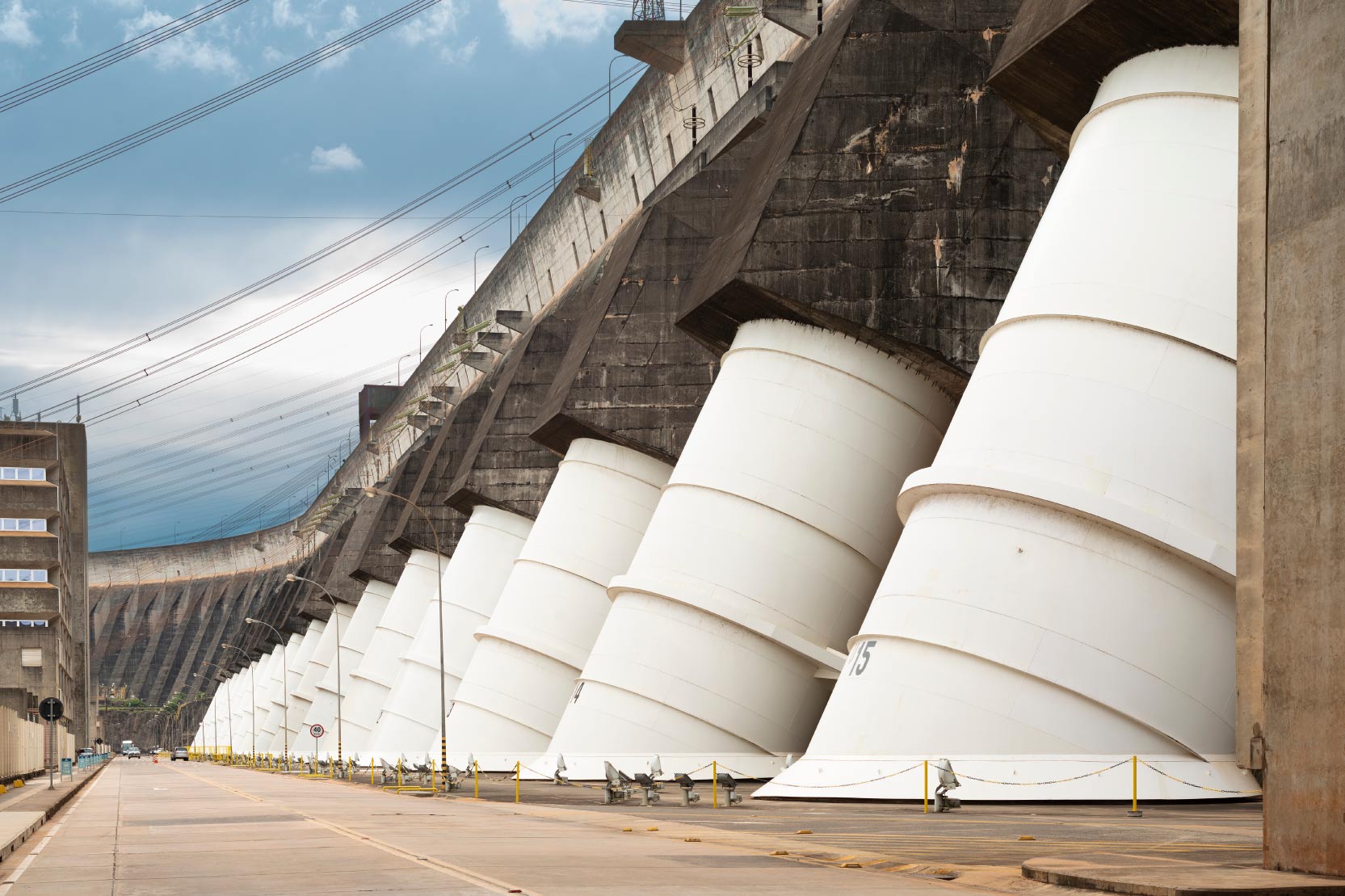
Altus’s electrical project solution encompassed 13 Generator UAs, 4 Auxiliary Service UAs, 20 Substation UAs, and 3 Water Intake UAs, along with the supply of local and MCC panels, protection panels, and low- and medium-voltage distribution panels.
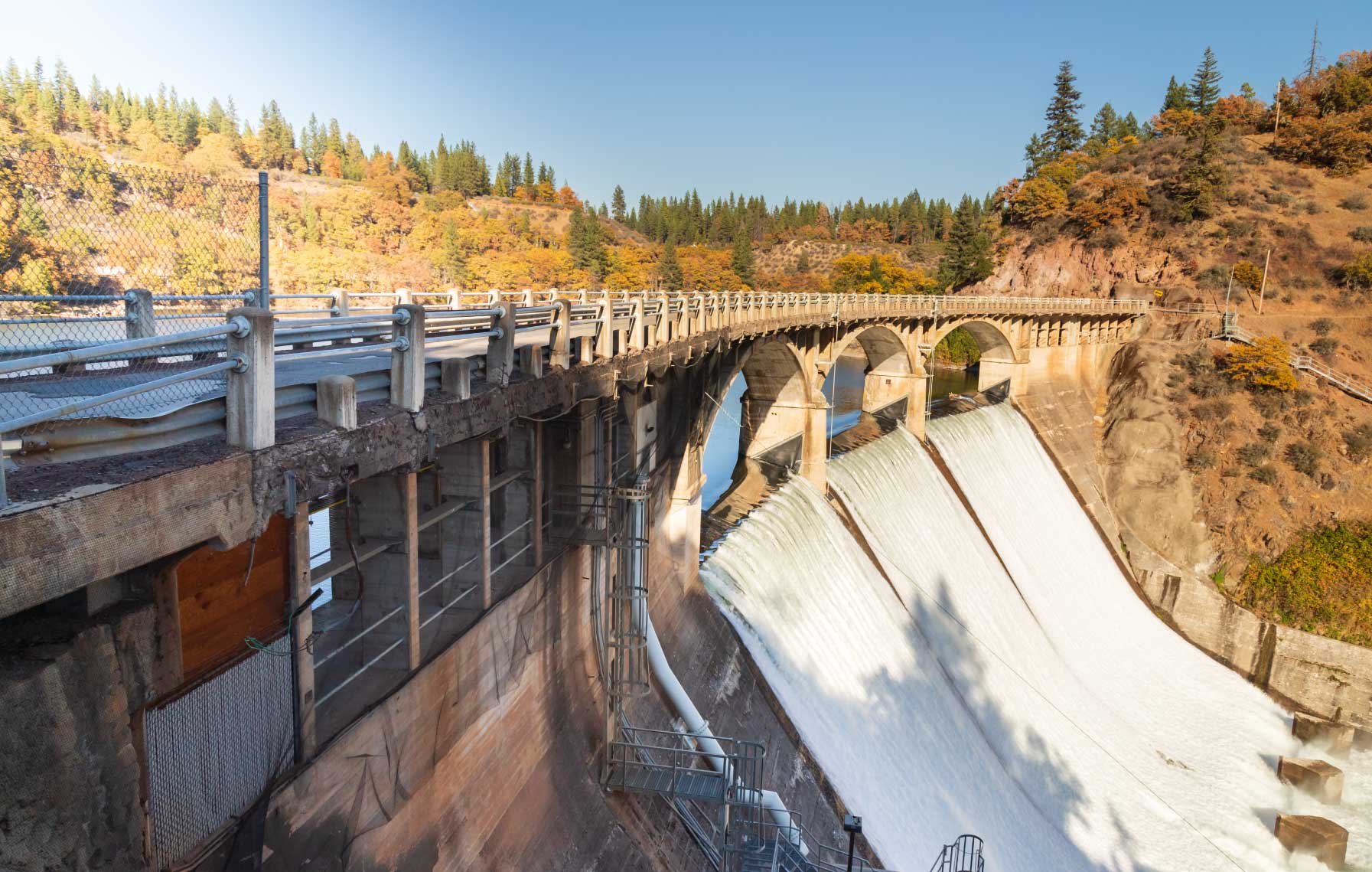
The scope included the design and installation of the GPS synchronization network, the design and implementation of the Ethernet optical communication network, and the development of protection and control systems for the generating units.
It also covered the preparation of single-line, three-line, functional, and logic diagrams, as well as interconnection diagrams and cable lists, along with the sizing of auxiliary service transformers and electrical conduit design.
Additionally, it encompassed instrumentation and installation activities, followed by commissioning, assisted operation, and training.
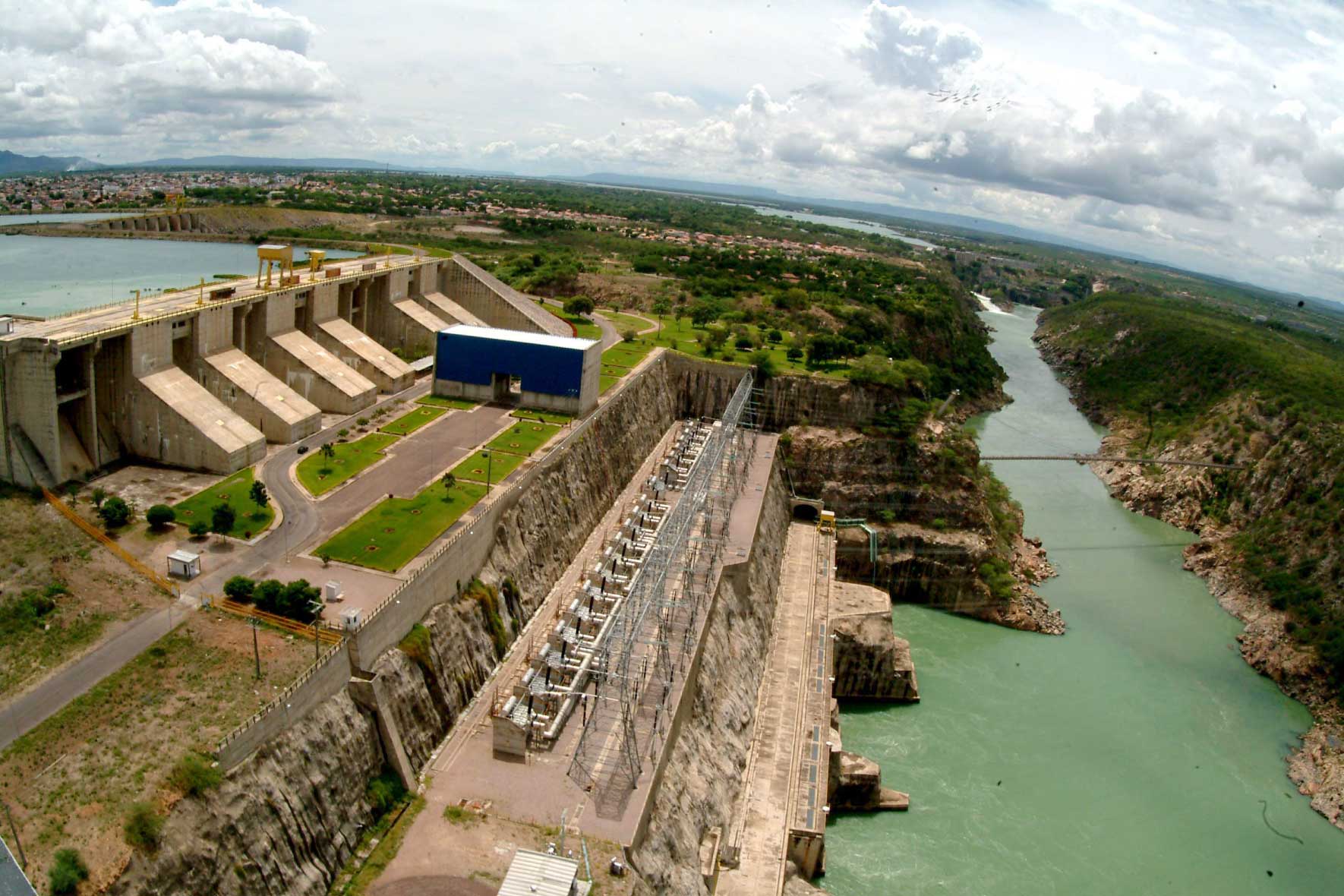
The Paulo Afonso I, II, and III hydroelectric plants, located on the São Francisco River in Paulo Afonso, Bahia, Brazil, together operate 13 generating units with a total installed capacity of 1,417,000 kW.
Paulo Afonso I comprises three generators and began operations in 1955; Paulo Afonso II includes six generators and entered operation in 1961; and Paulo Afonso III consists of four generators, having commenced operations in 1971.
