Our Products
An exclusive combination of equipment that combines high performance and competitiveness to overcome the challenges of Industry 4.0


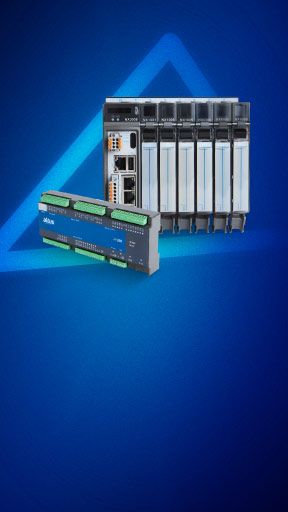
An exclusive combination of equipment that combines high performance and competitiveness to overcome the challenges of Industry 4.0


At Altus, we have the necessary know-how to provide integrated systems for the most varied demands of the industrial market

Discover our solutions and discover how our expertise can help boost your business performance

See how we have become a reference in the automation market over the course of our more than 40 years

We are 100% available to solve problems, answer questions and help you optimize the performance of your application.

Get to know our units and find out where to find our sales representatives throughout Brazil

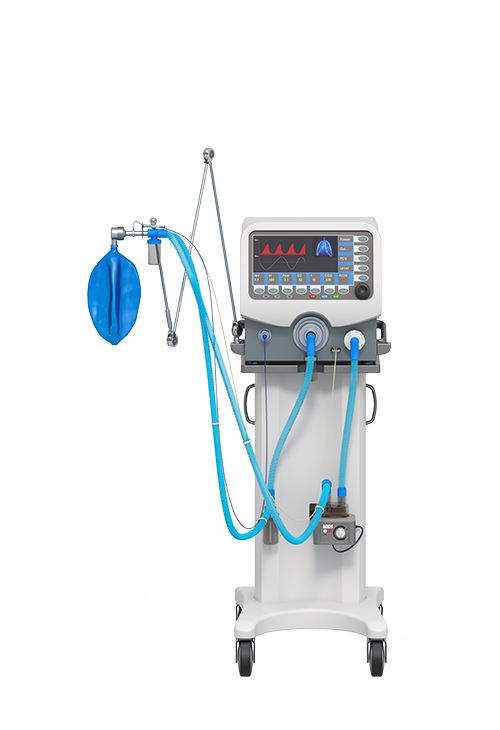

Lower production costs compared to other models available on the market

Built-in batteries with up to six hours of charge, ideal for use in remote locations

An integrated emergency button that eliminates the need for a manual resuscitator

The CLP enables quick, real-time access to diagnostics and reports.
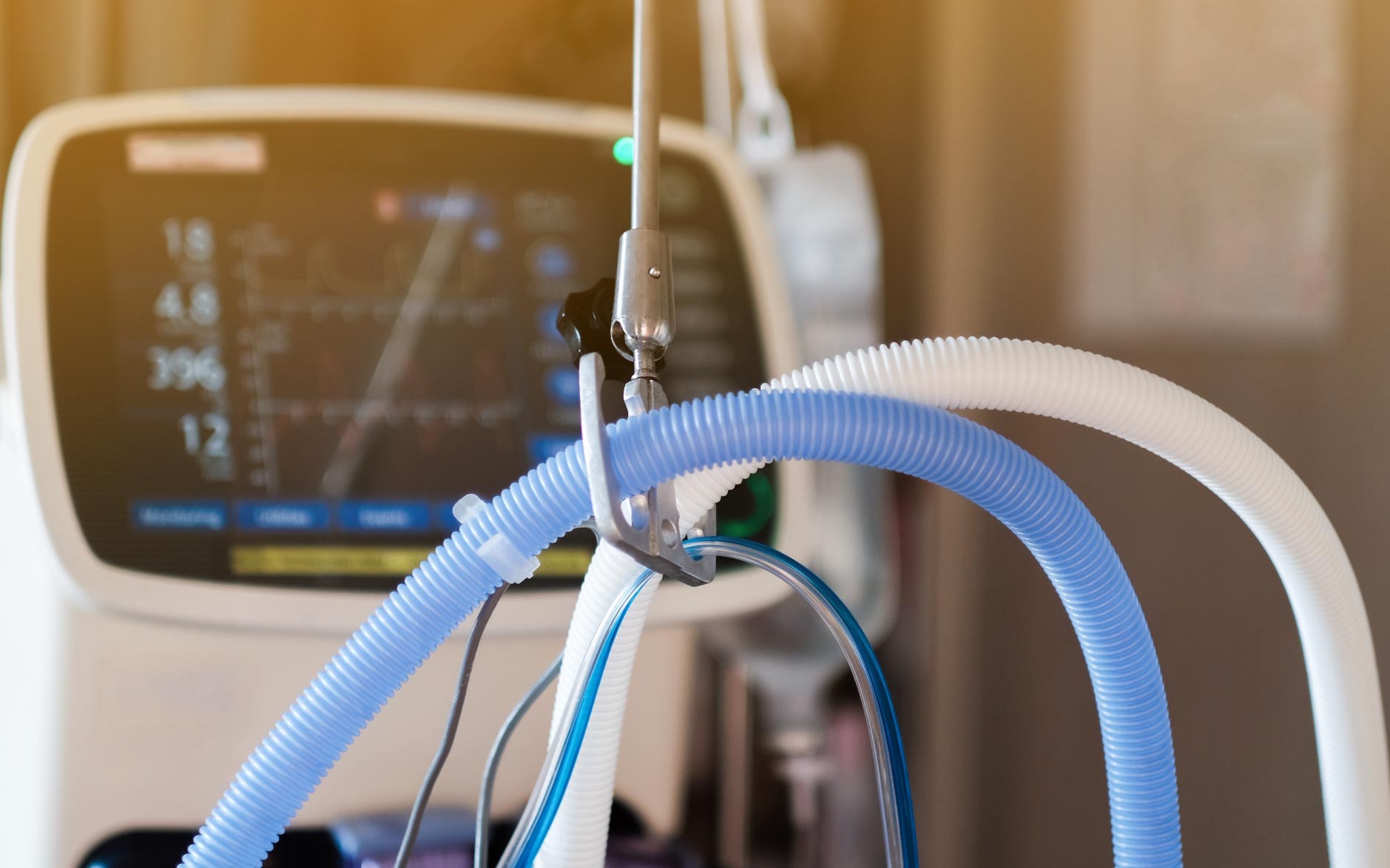
In addition to their lower production costs, Altus-powered ventilators also stand out for their reduced noise levels and lightweight design, with each unit weighing approximately 16 kilograms.
Another standout feature is their battery autonomy. These ventilators can operate for up to six hours on a single charge, making them ideal for deployment in remote care facilities or emergency settings such as field hospitals.
For the ICU model, which includes more advanced features, the ventilators meet a long-standing request from doctors and nurses: simplifying procedures.
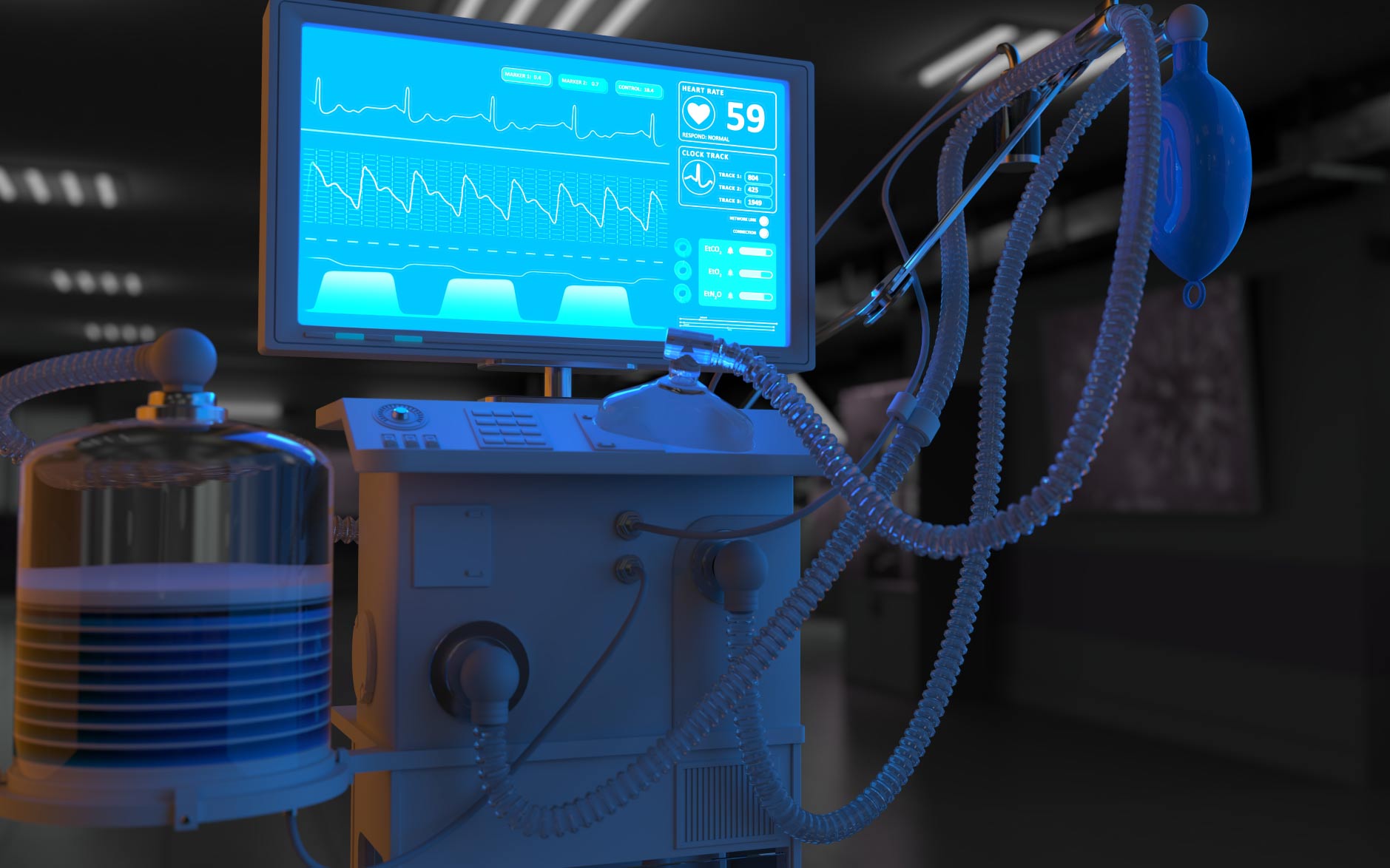
Patients are connected to a ventilator through a flexible tube known as a "trachea." In the event of cardiac arrest, this connection typically must be removed so a healthcare professional can attach a manual resuscitator (Ambu bag) to provide ventilation while another performs chest compressions.
This process can lead to a critical time delay. To address this issue, an emergency button was added to the ventilators, which activates a specific ventilation mode within milliseconds. This eliminates the need to disconnect the endotracheal tube and attach the manual resuscitator, as well as the need for two specialists to handle a patient in cardiac arrest.