Our Products
An exclusive combination of equipment that combines high performance and competitiveness to overcome the challenges of Industry 4.0


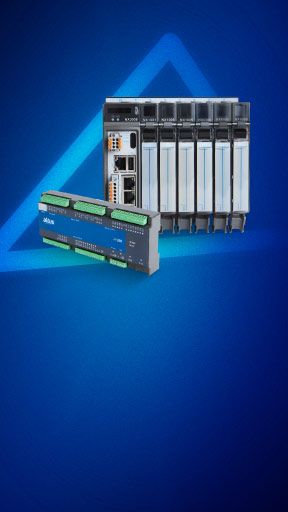
An exclusive combination of equipment that combines high performance and competitiveness to overcome the challenges of Industry 4.0


At Altus, we have the necessary know-how to provide integrated systems for the most varied demands of the industrial market

Discover our solutions and discover how our expertise can help boost your business performance

See how we have become a reference in the automation market over the course of our more than 40 years

We are 100% available to solve problems, answer questions and help you optimize the performance of your application.

Get to know our units and find out where to find our sales representatives throughout Brazil

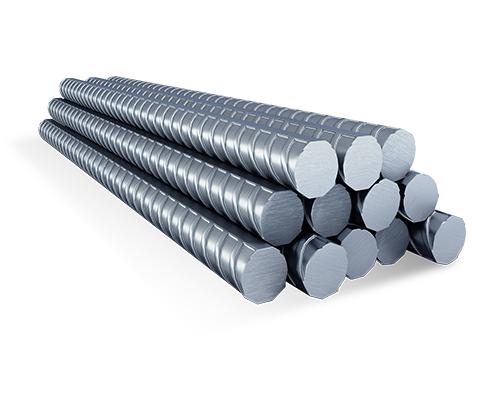

Full automation of the bundle-tying process, eliminating the need for manual operator intervention

The embedded technology in this solution delivers highly accurate data throughout the process

The system also enhances the centralization of all data related to resource use

The control system is fully customized to meet the specific needs of the process
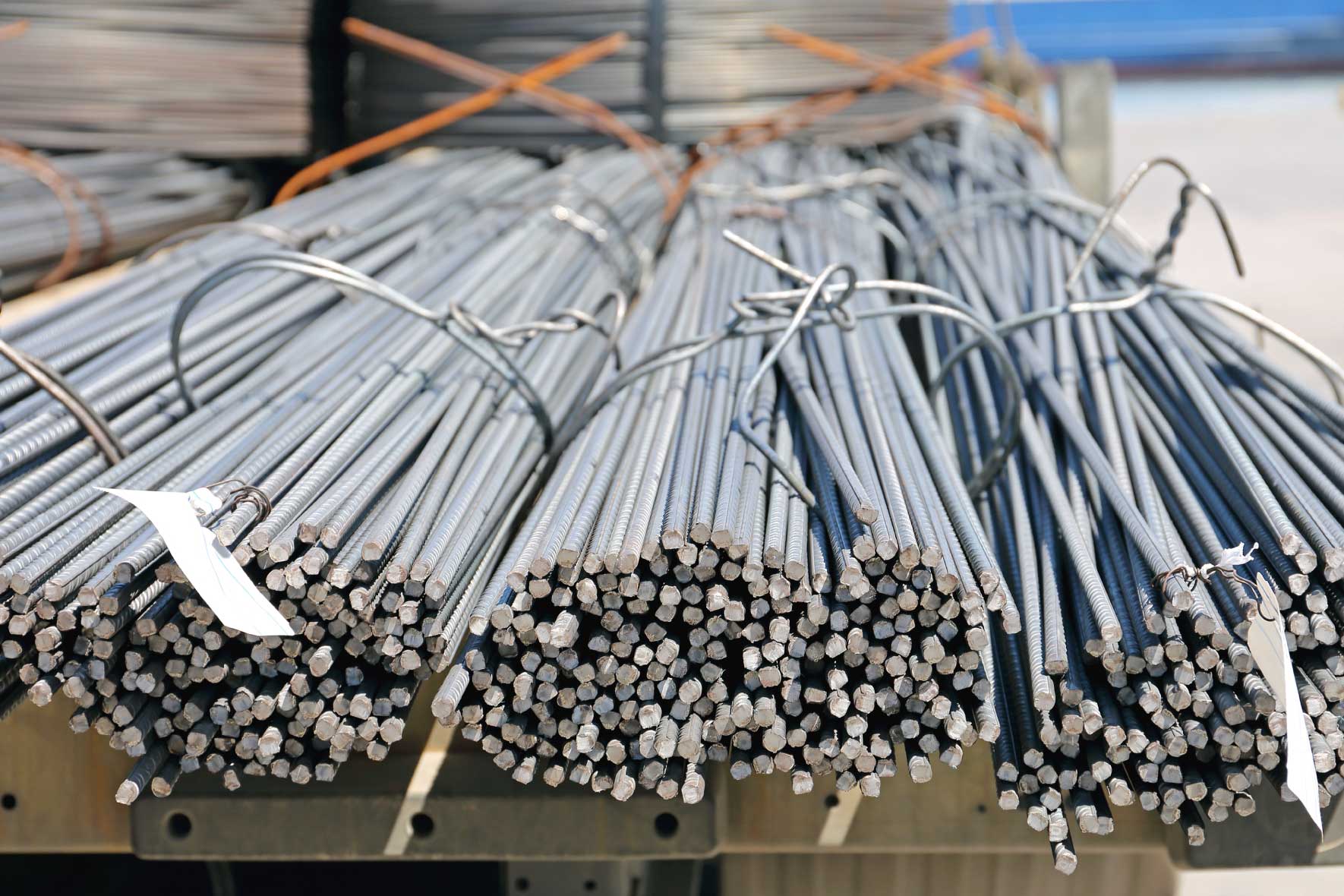
One of the main benefits of the new system is the streamlined sequencing of the bundle tying and weighing operations. In addition to providing more precise control over the entire product flow, the system operates autonomously, using hydraulic twisters to perform the task. This eliminates the need for operator involvement, boosting safety and minimizing the risk of accidents.