Our Products
An exclusive combination of equipment that combines high performance and competitiveness to overcome the challenges of Industry 4.0


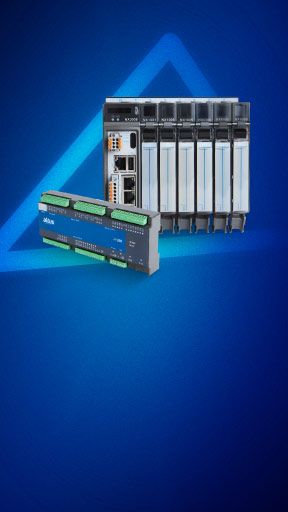
An exclusive combination of equipment that combines high performance and competitiveness to overcome the challenges of Industry 4.0


At Altus, we have the necessary know-how to provide integrated systems for the most varied demands of the industrial market

Discover our solutions and discover how our expertise can help boost your business performance

See how we have become a reference in the automation market over the course of our more than 40 years

We are 100% available to solve problems, answer questions and help you optimize the performance of your application.

Get to know our units and find out where to find our sales representatives throughout Brazil

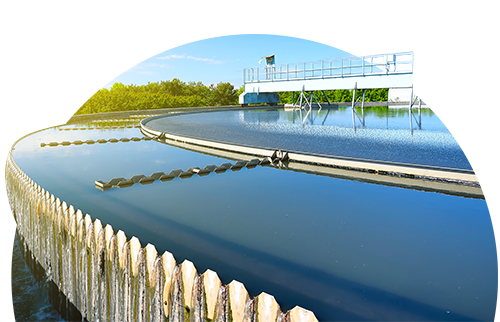

The system features NX3030 CPUs running in hot standby redundancy mode

The application is powered by robust Nexto CPUs acting as remote units, enhancing the system’s control capabilities

Nexto System technology enables the development of customized programs for special use cases

This solution relies on Altus programmable controller technology for data collection and processing at the facility
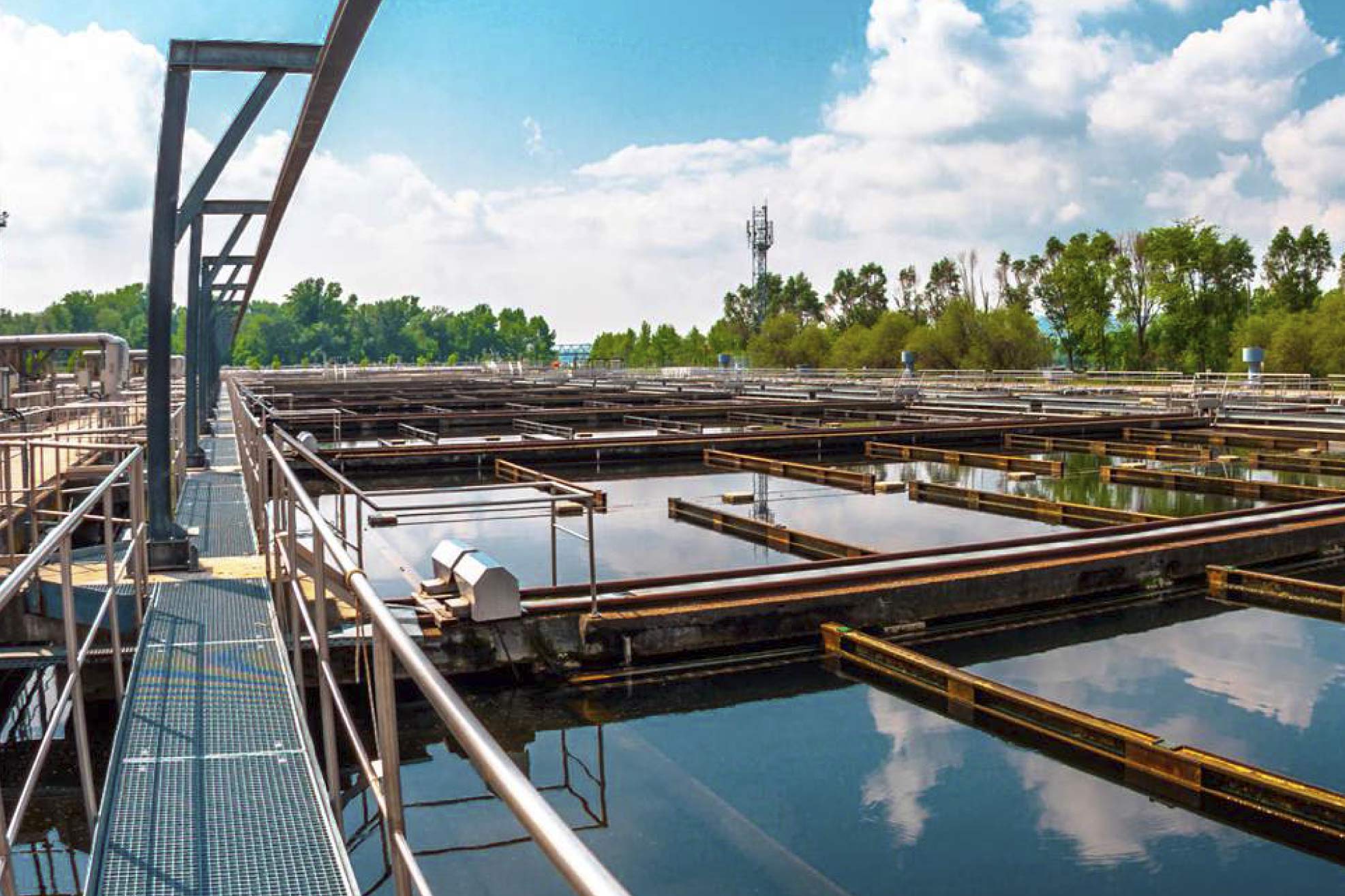
For a large-scale project like this, Altus' NX Series programmable controllers were used. The developed architecture features more than 20 NX Series CPUs in various configurations, demonstrating the versatility of these products.
With models ranging from NX3010 to NX3030, and data communication via Ethernet, each CPU was assigned a specific stage of the process. The two NX3030 units were responsible for centralizing and controlling the entire application, operating in a redundant setup.
The project involved 2,650 communication points, including 2,200 digital and 450 analogs. This highly complex project showcases the Nexto Series' technology as adaptable to a wide range of applications.
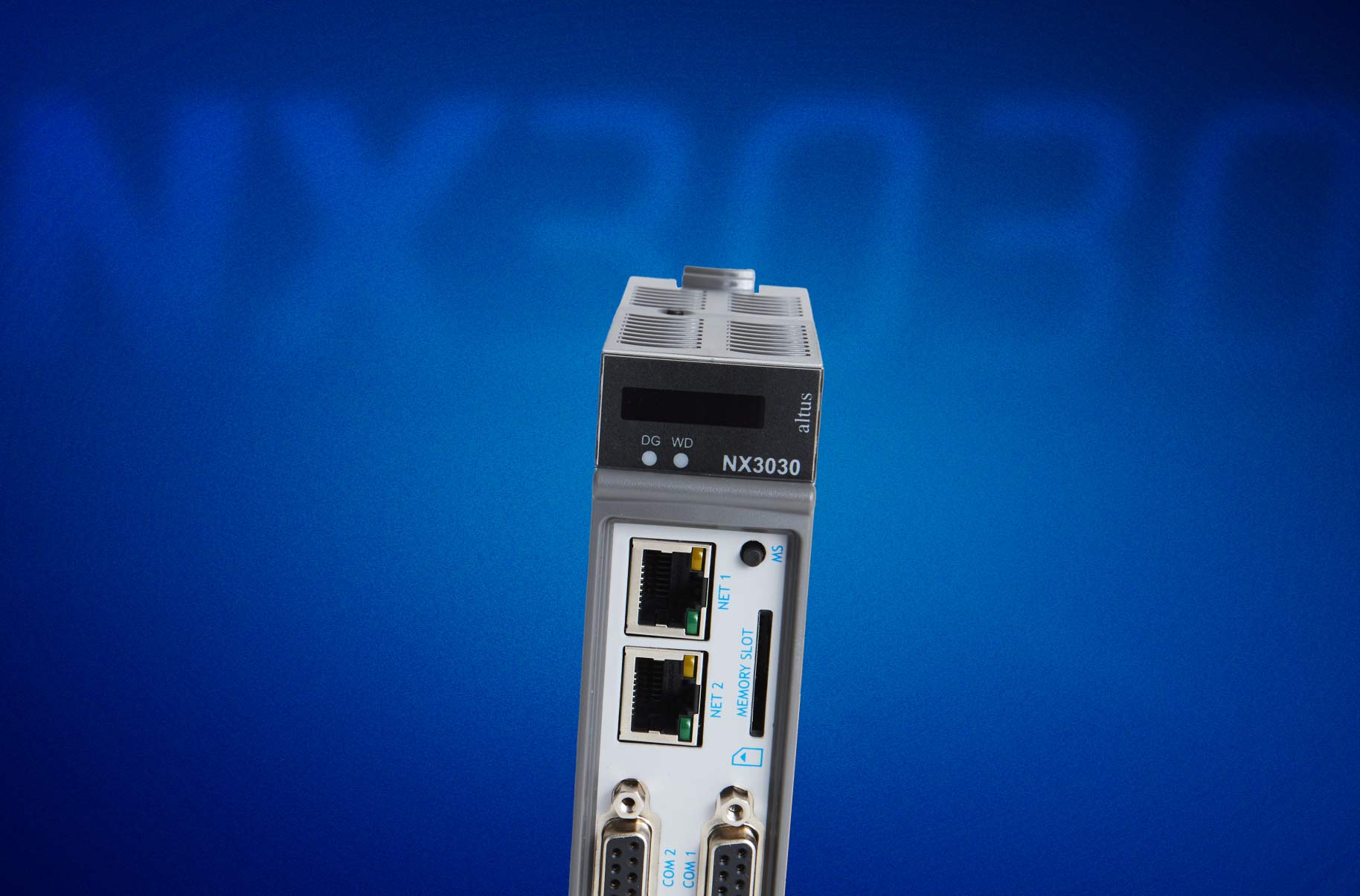
The advanced technology in Nexto products enables them to manage large numbers of points and remote racks, while efficiently controlling distributed and redundant projects like water treatment.
The solution is built on a redundant architecture, using two NX3030 CPUs, one acting as the primary (active) unit responsible for managing the system, and the other in standby mode..
The standby CPU continuously monitors the primary unit’s performance to ensure smooth operation. In case of a failure where the primary CPU becomes unavailable, the standby CPU automatically takes over, ensuring uninterrupted operation without the need for manual intervention or risking any system downtime. This seamless transition, known as switch-over, keeps the process running smoothly.