





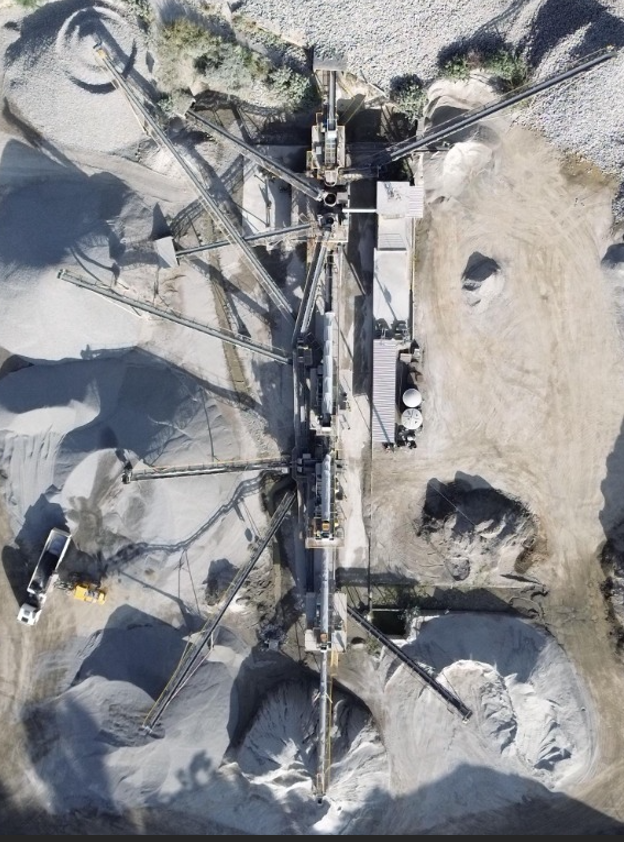
The production of mineral aggregates is the foundation of civil construction and urban infrastructure development. At the Matias Barbosa unit in Minas Gerais in Brazil, Petra Agregados carries out complex rock extraction and processing operations to supply high-quality raw materials: various specifications of crushed stone and manufactured sand.
The operational workflow of a quarry requires crushers and conveyor belts to run in a coordinated, seamless manner. Because handling tons of highly abrasive material daily under harsh environmental conditions leaves no room for machinery failures.
Given the demands of this environment and the critical need to ensure team safety, modernizing the control systems became a strategic priority for Petra Agregados. The modernization project was entrusted to the systems integrator MP Automação, headquartered in the same state in Brazil.
The partnership between MP and Altus has solid roots: starting between 2011 and 2012, when FBs series PLCs and HMIs were deployed in crushing processes across the region, it has evolved over the years into projects of increasing complexity and scale.
Over time, this technical cooperation expanded into different segments and applications: biomass manufacturing systems in Ressaquinha (2015), production control for starch multinationals using Nexto NX3005 controllers and X2 HMIs (2018–2019), and high-speed labeling machine automation (2020). This long-term trajectory culminated, between 2024 and 2025, in the automation project for Petra Agregados‘ secondary crushing circuit, which is the central focus of this article.
Mechanical bottlenecks and regulatory risks
The secondary crushing process operates as a continuous sequence: the material undergoes primary crushing, is transported by conveyor belts, screened in vibrating screens, and transported again by conveyor belts to the surge bin containing the final product ready for sale.
However, this integrated sequence had a critical vulnerability: if any equipment along the line (such as a screen or a crusher) experienced an unplanned shutdown without immediately stopping the conveyor belts feeding the preceding stage, material would rapidly accumulate. This resulted in clogged crushers, damaged conveyor belts, and motor overloads, compromising both production and equipment integrity.
In addition to these operational bottlenecks, the electrical and control system faced severe compliance issues with Brazilian regulatory standards. The lack of emergency switch monitoring at the operator desk made it difficult for the plant to meet the protection and safety requirements of NR 12, particularly for continuous belt conveyors.
The Regulatory Standard NR 12 establishes the minimum safety and health requirements for workers during all phases of machinery and equipment use in Brazil.
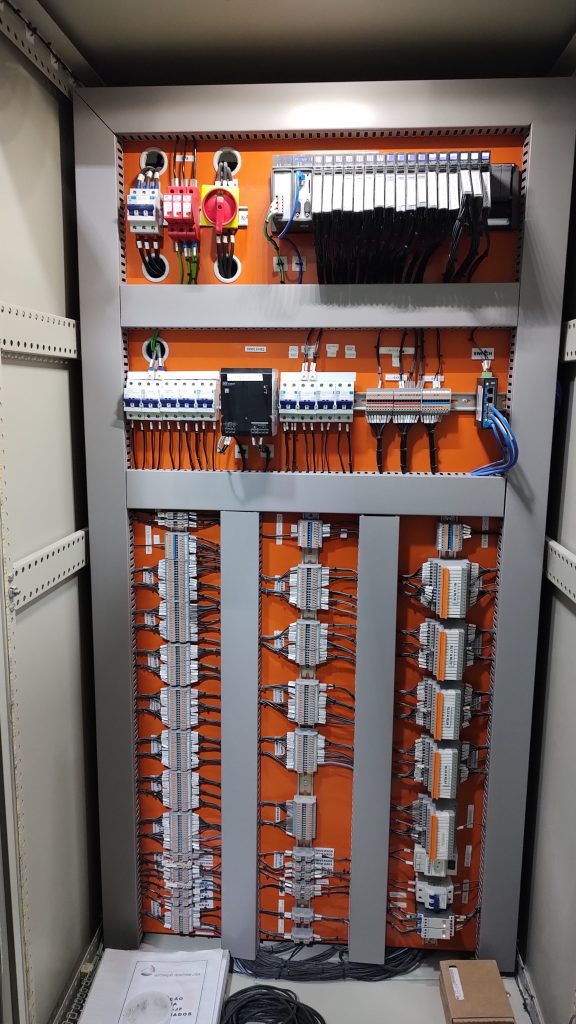
Exacerbating this scenario, airborne abrasive dust had deteriorated the conductors and oxidized the internal components of the electrical panels. This combination of factors made a complete overhaul of the power and distribution panels necessary, following the NBR 5410 low-voltage guidelines, to eliminate electric shock hazards and insulation failures.
The ABNT NBR 5410 standard establishes the technical requirements for low-voltage electrical installations (up to 1,000 V in alternating current and 1,500 V in direct current) in Brazil.
The integrated technology architecture
To overcome these limitations, MP Automação Industrial designed an architecture featuring high-availability controllers, real-time monitoring, and noise-immune data communication. The choice of Altus products was based on three criteria: hardware robustness for harsh environments, commercial competitiveness, and reliable technical support. The following sections detail the equipment used in this solution:
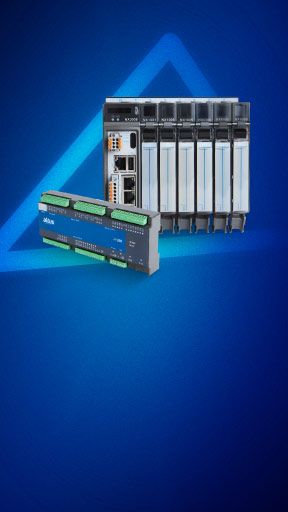
The processing core: NX3010 CPU
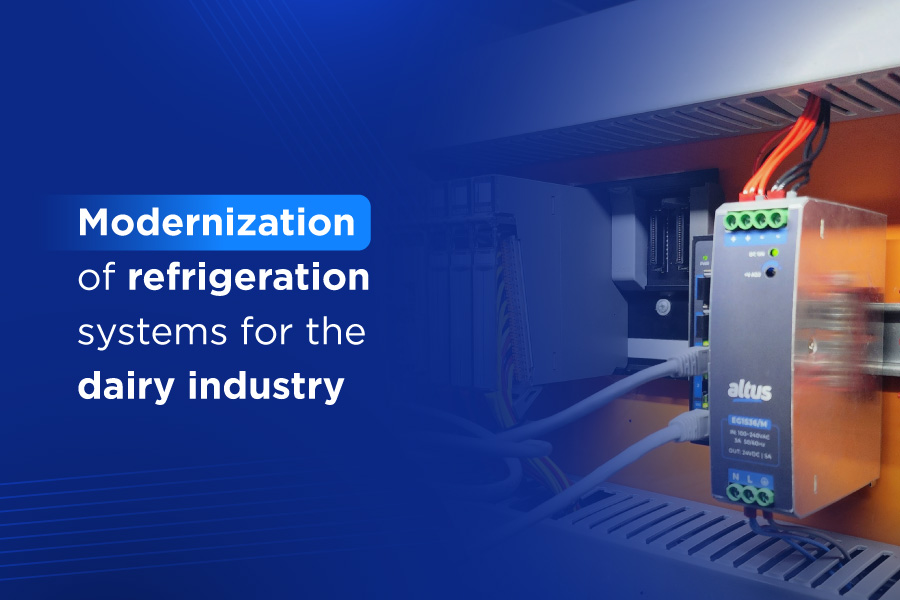
The interlocking logic and power control of the secondary crushing plant were centralized in the NX3010 CPU. Equipped with a 32-bit RISC PowerPC processor, this unit delivers high-speed reading of physical signals and executes control algorithms deterministically, ensuring precise response times even under high demand.
The NX3010 offers engineering advantages designed specifically for harsh mining environments:
- – Conformal Coating: The internal electronic boards receive a protective layer that insulates the circuits against humidity, salt spray, and mineral dust, whether conductive or abrasive. This results in hardware with an extended lifespan and a significantly reduced risk of short circuits.
- – One Touch Diag (OTD): With a single press on the graphic display integrated into the CPU, operators and technicians can access fault diagnostics directly in the field, eliminating the need for computers during routine maintenance tasks.
- – Battery-Free Operation (BFO): Data retention and the real-time clock operate without batteries, which reduces preventive maintenance costs and eliminates the disposal of hazardous chemical waste.
The control center: SCADA Supervisory System
The physical control desk was replaced by the implementation of BluePlant SCADA supervisory software with a Lite license. BluePlant delivers high-definition screens, transparency effects, and smooth transitions, features that make reading field conditions much more intuitive and faster for the operator.
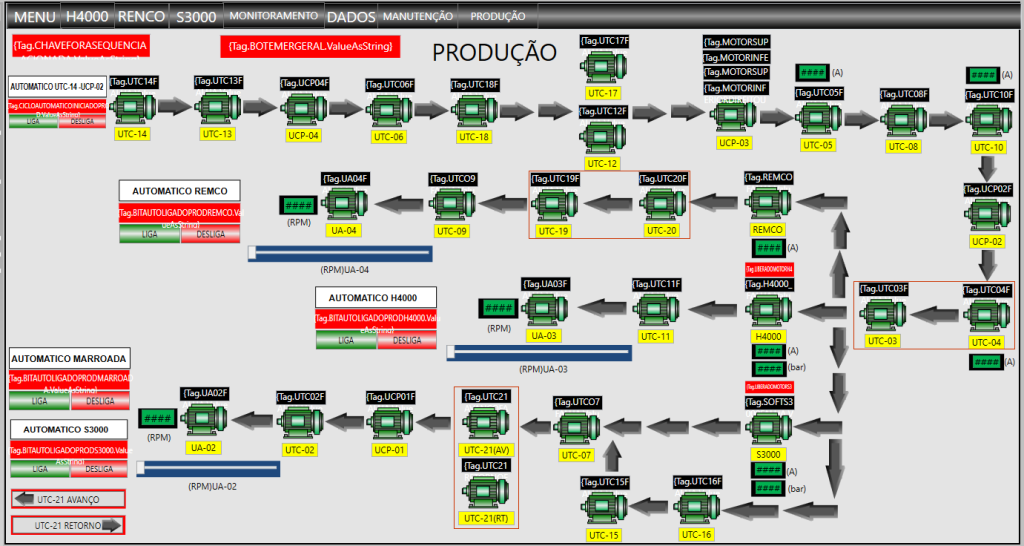
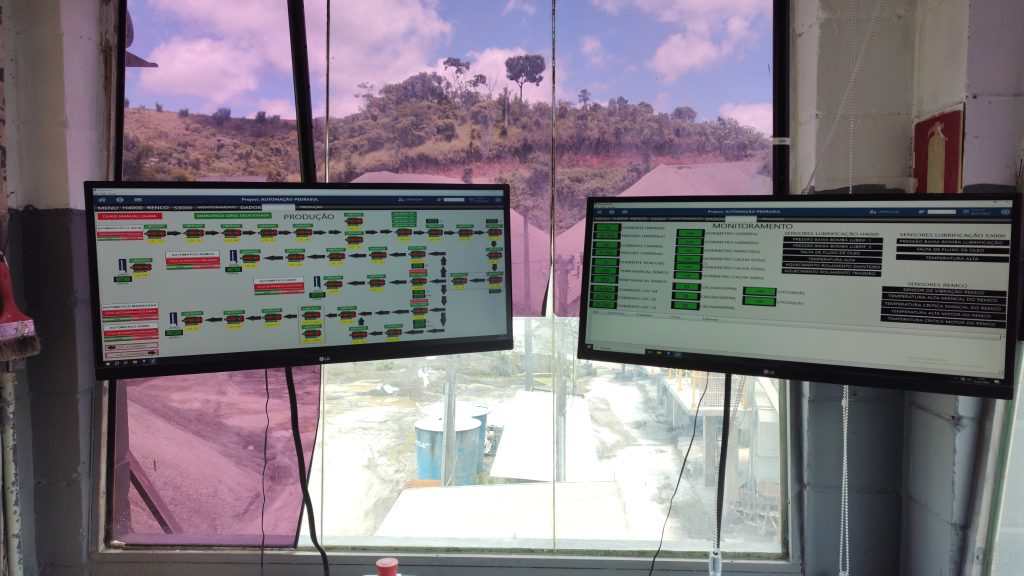
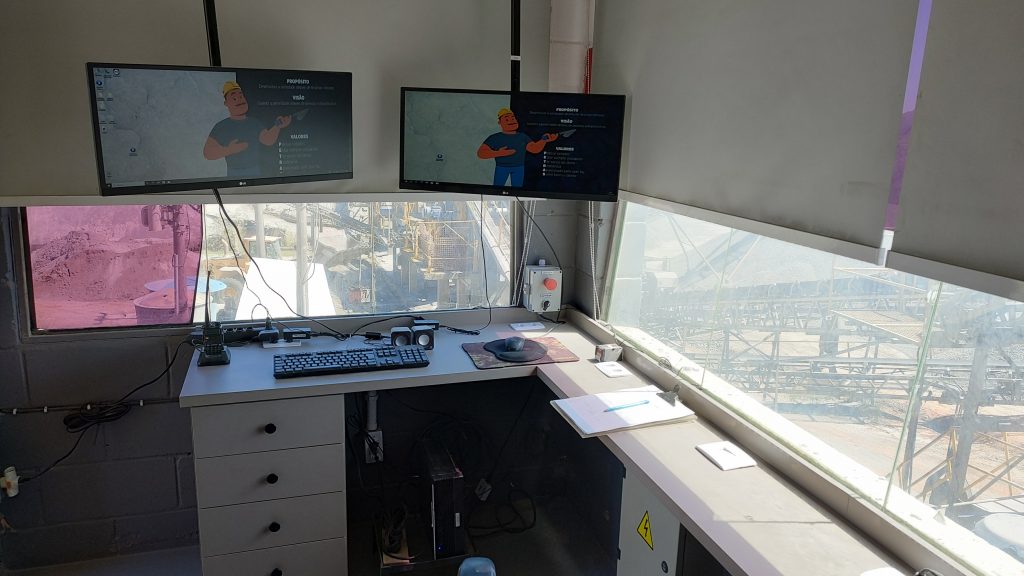
At Petra Agregados, the control station was configured with twin 29-inch monitors arranged side by side, each with a clearly defined function:
- – Production Screen: Displays the complete operational workflow of the plant and centralizes real-time operational data, such as crusher current, vibrating chute speed, and equipment running or fault status.
- – Monitoring Screen: Instantly signals the safety status of any equipment in the plant, such as screens, conveyor belts, vibrating chutes, crushers, and emergency switches, while also displaying equipment pressure, current, and RPM.
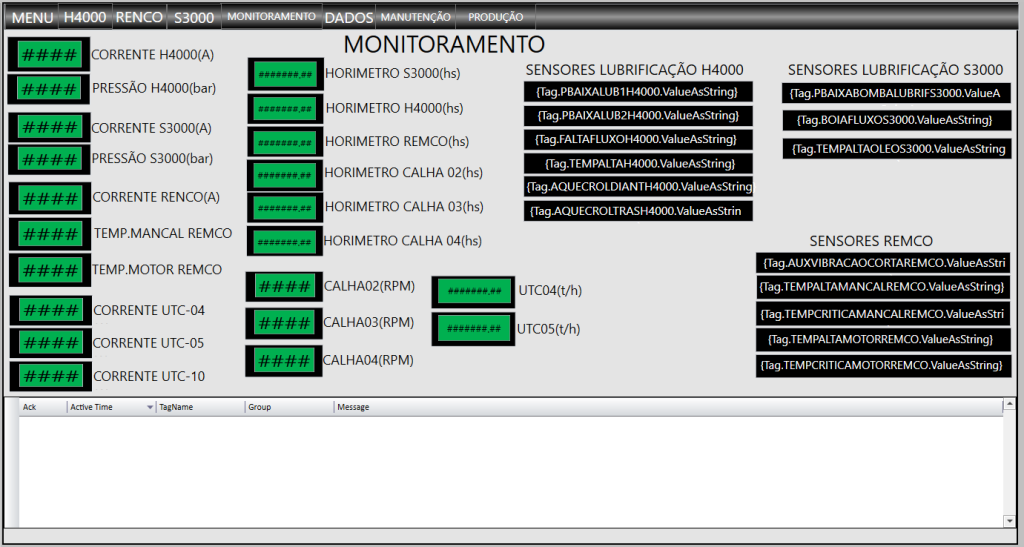
Together, the two screens provide the operator with an integrated, continuous view of the entire operation, eliminating the need to toggle between systems or consult separate panels.
The backbone of communication: CET2-0500 Switch
The integrity of data traffic between the electrical panel room, where the PLC is installed, and the control cabin, housing the BluePlant station, is ensured by the CET2-0500 Industrial Switch.
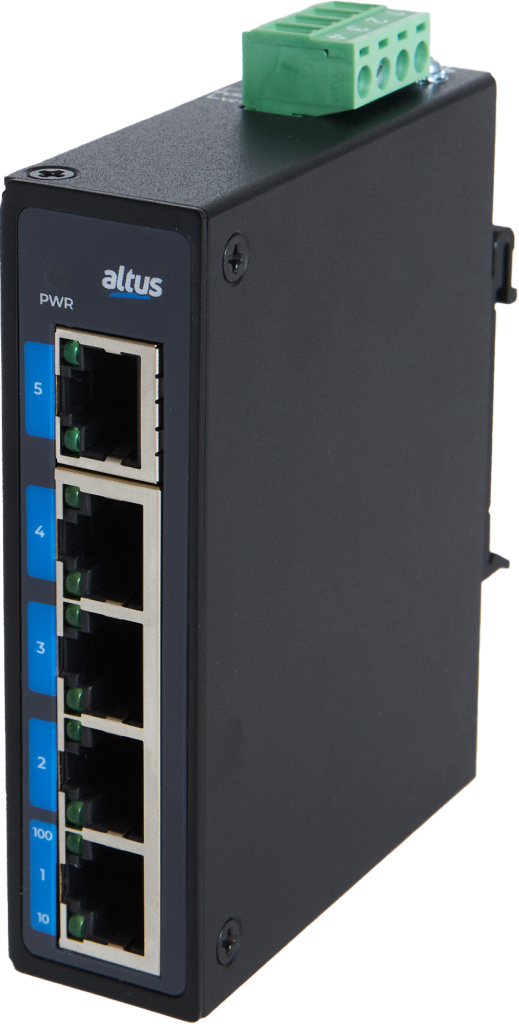
This equipment features 5 Fast Ethernet ports, a metallic enclosure with an IP30 protection rating, and supports operating temperatures ranging from -10 °C to 65 °C.
Communication between the two points utilizes the Modbus TCP/IP protocol, which is natively supported by both the NX3010 CPU’s Ethernet port and BluePlant. This native compatibility eliminates intermediate conversion layers, ensuring low latency and stability in transmitting alarms and process data.
Compliance with Regulatory Standards NR 12 and NBR 5410
The control software developed for the NX3010 followed a rigorous cascade interlocking logic. The system conditions the startup of each belt conveyor on the correct operation of the equipment downstream. When a crusher or a vibrating screen experiences an electrical overload or mechanical trip, the PLC acts within milliseconds, shutting down all feeders and upstream conveyors before the crushers overflow, preventing damage to other assets.
Compliance with NR 12 was handled with equal rigor. Cable-operated emergency stop switches, distributed along the entire length of the conveyor belts, were integrated into the control system through redundantly configured digital inputs. When any emergency cable is pulled, it triggers an immediate, safe stop of the drives in that section. Simultaneously, the BluePlant SCADA system highlights the exact location of the activation, accelerating troubleshooting and manual reset by the maintenance team.
The restructuring of the electrical power enclosures complemented this safety layer. Following NBR 5410 criteria, the low-voltage circuits were reorganized with properly sized thermal and magnetic protections, structured grounding, and physical barriers against accidental contact, ensuring operator safety under all operating conditions.
Connectivity via Power BI and SQL Server
The solution goes beyond local operational control: it was also designed as a business intelligence source for Petra Agregados.
BluePlant utilizes ADO.NET connections to continuously log all process variables, alarms, and machinery runtimes into a Microsoft SQL Server relational database. From this repository, Petra Agregados structured analytical reports using Microsoft Power BI.
This integration allows maintenance managers and operations directors to remotely track key industrial indicators, including Overall Equipment Effectiveness (OEE), actual plant availability rates, and the most recurring reasons for unscheduled downtime. What previously required a physical presence or manual spreadsheets is now available in updated dashboards accessible from anywhere.
Tangible results in quarry operations
The replacement of the analog control desk with centralized automation based on Altus technologies positively transformed the operational profile of the Matias Barbosa unit, delivering measurable improvements to the quarry’s routine, which you can see below:
| Operations area | Previous Scenario (Analog Desk) | Current Scenario (Integrated Automation) | Obtained Benefit |
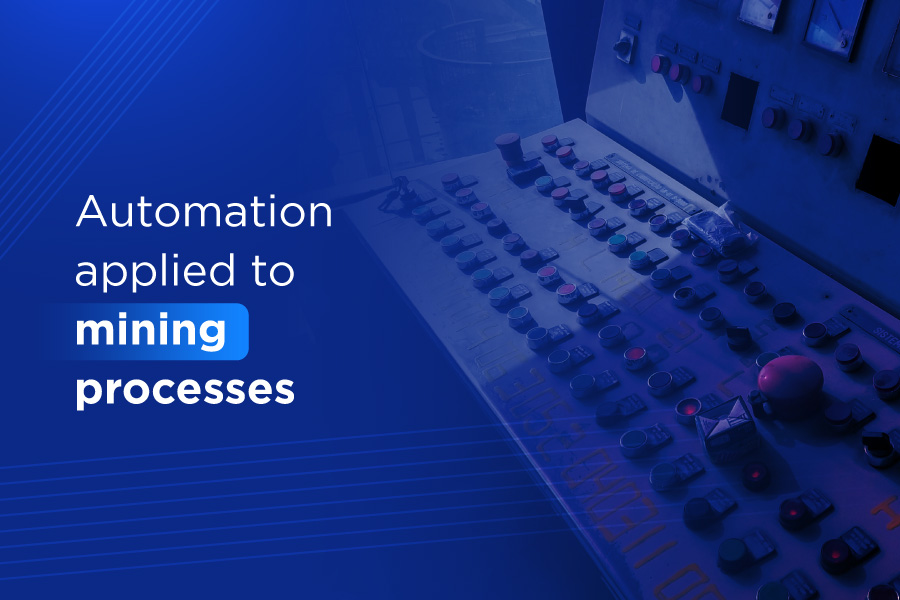
| Operator interface | Electrical panel containing over 60 buttons and pilot lights. | Station with twin 29-inch dynamic screens via BluePlant SCADA. | Concentration of the operator’s attention on a single visual point; increased decision-making autonomy. |
| Fault diagnostics | Time-consuming manual inspection of breaker panels and terminal blocks. | Instant, detailed alarms displayed on a graphical monitoring screen. | Significant reduction in mean time to repair (MTTR) and downtime for troubleshooting. |
| Operational safety | Basic protections; difficulty in identifying emergency cable activations. | Active monitoring of emergency switches and cascade interlocking via PLC. | Protection of mechanical assets against clogs and compliance with NR 12. |
| Asset management | Manual logging on paper spreadsheets. | Automated historical logging in SQL Server with visualization via Power BI. | Maintenance decision-making based on actual wear; OEE monitoring. |
| Physical resistance | Premature physical wear of contacts and terminal blocks due to stone dust ingress. | Hardware with industrial IP30 enclosure and Conformal Coating on boards. | High operational reliability; reduction in corrective electrical maintenance. |
The most immediate daily benefit was the reduction in operator fatigue, combined with enhanced plant reliability and safety. With all process data available in real time on the supervisory system, this shift made it possible to manage the plant with greater peace of mind and analytical focus.
The financial impacts were equally significant. The reduction in unscheduled downtime directly increased the plant’s physical availability and its hourly throughput rate. Continuous monitoring of the secondary crushing circuit now ensures a steady and balanced feed to the crushers, optimizing electrical energy consumption per processed ton and extending the lifespan of internal liners subject to mechanical wear.
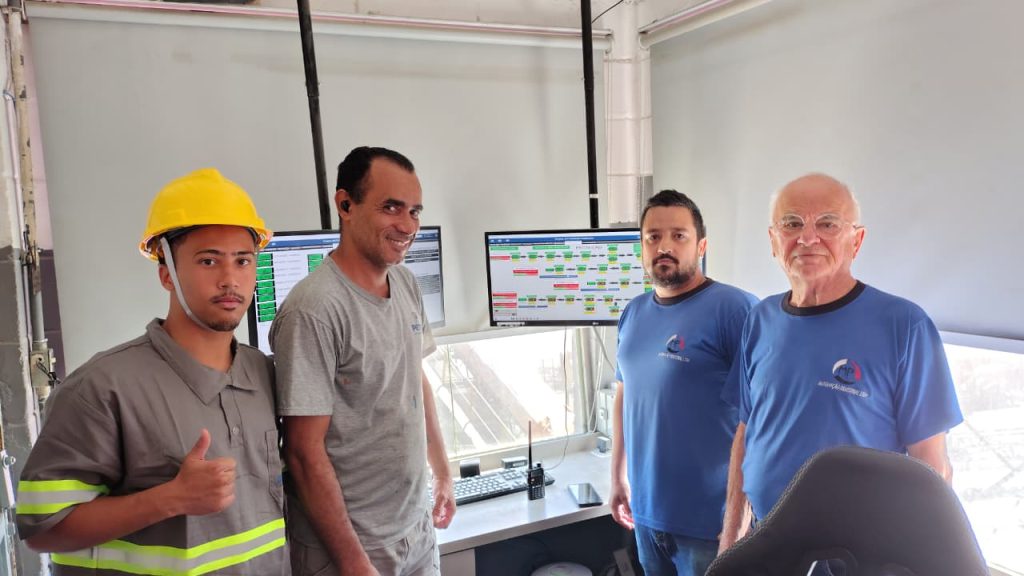
The modernization of the Matias Barbosa unit is a prime example of how properly applied industrial automation can revitalize traditional operations, making them more competitive, secure, and aligned with regulatory requirements.
The transition from a physical interface to an integrated PLC and supervisory architecture eliminated the historical availability and maintenance issues that restricted Petra Agregados’ productivity. The intelligence generated by the integration of BluePlant SCADA, the SQL Server database, and Microsoft Power BI dashboards brings the secondary crushing operation in line with modern industry standards: planned shutdowns, operational predictability, and data-driven decision-making.
By combining the ruggedness of Altus hardware with the application engineering of MP Automação Industrial, the project reaffirms the value of long-term partnerships in building solutions that unite productivity, sustainability, and operational excellence.